
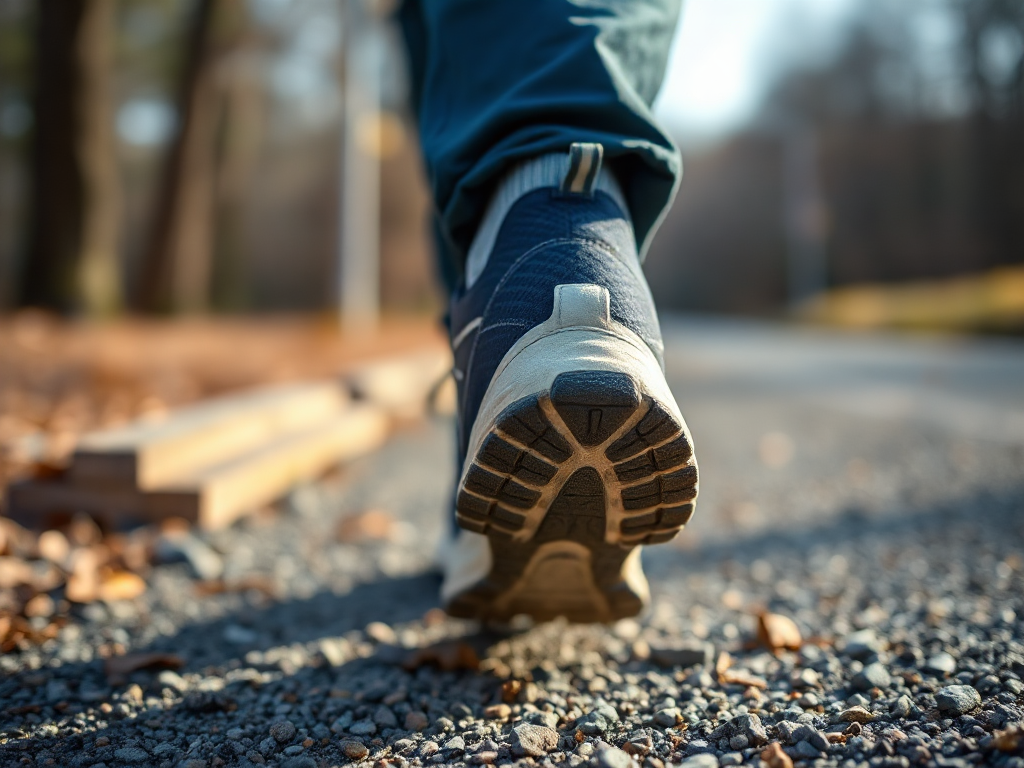
Choosing a walking shoe when joint pain worsens outdoors means prioritizing a secure fit, controlled cushioning, stable footing, and a sole suited to the surfaces you actually walk on. A roomy toe box can reduce pressure, while moderate cushioning may soften repeated impact without making the shoe unstable. Look for firm heel support, a flexible forefoot, dependable traction, and enough midsole protection for pavement, slopes, or uneven paths. Test shoes later in the day with your usual socks, walk on a hard surface, and check for rubbing or altered stride. A shoe that feels soft but lets your foot slide, twists easily, or increases knee, hip, or ankle discomfort is a poor match, even if its label promises comfort.
Why Outdoor Walking Can Expose Shoe Problems
Outdoor walking places different demands on the body than a short trip across a smooth indoor floor. Pavement repeats the same impact with every step, sloped sidewalks alter how the foot lands, and uneven ground requires rapid adjustments at the ankle, knee, and hip. A shoe that feels acceptable indoors may reveal poor support after several minutes outside because the foot begins to fatigue and the stride changes.
Joint discomfort can also worsen when a shoe allows excessive motion. If the heel lifts, the foot slides forward, or the sole bends at an awkward point, the wearer may shorten the stride, rotate the leg, or place more load on one side. Those compensations do not prove that the shoe caused the pain, but they are useful clues when comparing footwear. A simple example is a soft, loose walking shoe that feels pleasant at first but causes knee soreness on a downhill path because the foot moves inside it.
Before shopping, identify the setting that produces the trouble. A person walking on concrete needs a different balance of protection and flexibility from someone using packed dirt, gravel, or steep neighborhood streets. Note whether symptoms appear immediately, after a certain distance, or mainly on descents and uneven surfaces. Sharing those observations with a qualified clinician may be useful, particularly if symptoms are new, severe, or progressively worsening.
The most useful related resource is choosing a walking shoe when joint pain worsens outdoors as a decision rather than a search for a universally “best” model. Shoe comfort is personal, and a design that works for a stable, wide foot may not suit someone with a narrow heel or limited ankle motion.
Fit and Stability Features That Deserve Priority
A well-fitting walking shoe should hold the heel and midfoot securely while leaving the toes room to spread and move. The longest toe should not press against the front, and the forefoot should not be squeezed at the sides. Width matters as much as length: pressure over a bunion, swollen area, or sensitive joint can make an otherwise well-cushioned shoe unusable.
Try shoes with the socks and any ordinary inserts you plan to use. Feet may swell during the day, so an afternoon fitting often gives a more realistic test than trying shoes first thing in the morning. Stand, walk, turn, and stop. A correct fit should not require your toes to grip the floor to keep the shoe in place. Lacing can fine-tune security, but it should not compensate for a fundamentally wrong shape.
Stability does not mean choosing the stiffest or heaviest shoe available. A firm heel counter can limit unwanted heel movement, while a supportive midsole may reduce the effort required to control the foot. Excessive rigidity, however, can feel awkward on stairs or uneven ground and may shift stress toward another area. Compare a stable everyday walking shoe with a highly flexible casual sneaker on the same short route; the better option is the one that permits a natural stride without pressure or wobbling.
Watch for common fit failures: a narrow toe box chosen because the shoe looks streamlined, a long shoe bought to gain width, or thick cushioning that raises the foot and makes the ankle feel less secure. For readers comparing models, choosing a walking shoe when joint pain worsens outdoors should begin with foot shape and walking behavior, not brand reputation. Replace a shoe that has developed a tilted heel, compressed midsole, or uneven outsole, even if the upper still looks intact.
Matching Cushioning and Traction to the Surface
Cushioning changes how the shoe absorbs and distributes repeated loading, but more softness is not automatically better for a painful joint. A plush midsole may reduce the harsh feel of pavement for some walkers, while an overly soft or tall platform can feel unstable during turns, side slopes, or uneven steps. Moderate cushioning with a predictable, stable base is often easier to control than a highly compressible design.
Consider the route before judging the midsole. On a mostly level sidewalk, cushioning and a smooth heel-to-toe transition may matter most. On gravel or broken pavement, a more protective outsole and stable platform can reduce the need for constant foot adjustments. On hills, traction and braking control become especially relevant; a smooth outsole may encourage slipping or cautious, tension-filled steps. A trail-style shoe may offer useful grip, but its lugs can feel uncomfortable on long stretches of hard pavement and may add weight.
Traction should be judged by the surfaces you encounter, not by the appearance of the tread. Inspect the rubber pattern and walk across a clean store floor, then test the shoe outdoors if the retailer permits returns. Wet leaves, painted crossings, polished stone, and loose gravel each challenge the outsole differently. No shoe eliminates slip risk, so route choice and walking speed remain part of the safety decision.
One practical comparison is to test two shoes for ten minutes on the same hard route: one with softer cushioning and one with a firmer, more stable platform. Pay attention to whether the discomfort is impact-related, caused by foot fatigue, or associated with instability. A shoe that feels less luxurious but leaves the stride more even may be the better long-term choice. Cushioning should support controlled movement, not conceal a fit problem.
A Practical Shoe-Test Process and Common Mistakes
Use a short, repeatable test instead of relying on the first impression. Wear both shoes, check the toe clearance while standing, walk at your normal pace, and include turns, a few steps up or down, and a surface resembling your outdoor route. Notice pressure points during movement rather than judging comfort while seated. If the shoe rubs in the store, it is unlikely to become reliably comfortable outdoors.
A compact checklist can keep marketing language from dominating the decision:
- Fit: the heel stays seated, the midfoot feels secure, and the toes are not crowded.
- Movement: the forefoot bends where your toes bend without forcing the whole shoe to twist.
- Surface match: the outsole offers suitable grip and protection for your route.
- Symptom response: walking does not create new rubbing, limping, numbness, or escalating discomfort.
- Practical use: the shoe works with your socks, inserts, weather conditions, and walking duration.
Break in new footwear gradually. Begin with short, familiar walks and inspect the skin afterward, especially around the heel, big toe, and sides of the forefoot. Increasing distance immediately can make it difficult to tell whether symptoms reflect adaptation, a blister, poor fit, or an underlying problem. Keep the receipt and alternate with a known comfortable pair while testing.

Common mistakes include shopping only by cushioning, choosing a size based on an old pair, and assuming discomfort is normal because the shoe is new. Another error is changing shoes while simultaneously changing route length, pace, and terrain; that removes useful information. Record where symptoms occur and when they appear. If a new shoe repeatedly produces a limp or pain that lasts beyond the walk, stop testing it rather than trying to force a break-in period.
When Footwear Is Not the Whole Explanation
A shoe can influence comfort, but it cannot diagnose or correct every cause of outdoor joint pain. Symptoms may reflect workload, an old injury, muscle weakness, reduced balance, a change in walking surface, or a medical condition unrelated to footwear. If pain appears in both the old and new shoes, occurs at rest, or steadily increases despite reducing activity, shoe shopping alone is unlikely to solve the issue.
Seek prompt medical attention for major swelling, marked redness or warmth, an obvious deformity, inability to bear weight, sudden severe pain, or symptoms after a significant injury. A clinician or physical therapist can assess gait, range of motion, strength, and the specific joint involved. Their recommendations may include activity modification, exercises, an insert, or a different type of shoe, depending on the findings. Those options should not be selected solely from an online product description.
Outdoor conditions also deserve attention. Heat can increase foot swelling, cold may make joints feel stiffer, and rain can change both traction and walking confidence. Choose socks that do not bunch, leave room for ordinary swelling, and shorten the route while testing a new pair. If a supportive shoe feels good on flat ground but causes discomfort on slopes, the issue may be the combination of footwear and terrain rather than the shoe in isolation.
Use choosing a walking shoe when joint pain worsens outdoors as an ongoing evaluation. A successful choice allows a steady stride, produces no new pressure areas, and remains predictable across the surfaces you regularly use. It should not be expected to cure a joint condition or replace professional evaluation when warning signs are present.
Frequently Asked Questions
Should walking shoes be soft if outdoor walking hurts my joints?
Soft cushioning may make pavement feel gentler, but excessive softness can reduce stability. Choose the cushioning level that permits a steady stride without wobbling or increased discomfort.
How much room should be in the toe box?
Your toes should not touch the front while standing or walking, and they should not be compressed from the sides. Extra length is not a substitute for adequate width.
Are trail shoes better for outdoor joint pain?
Trail shoes may suit uneven or loose surfaces because of their traction and protection, but their weight and aggressive tread can feel inefficient on pavement. Match the shoe to the route.
How can I tell whether a new shoe is making symptoms worse?
Compare it with a familiar pair on a similar short route. New rubbing, limping, altered foot placement, or discomfort that escalates during the walk suggests the shoe is a poor match.
When should joint pain be evaluated by a professional?
Seek evaluation for persistent or worsening pain, substantial swelling, warmth or redness, inability to bear weight, deformity, or symptoms following a significant injury.
Conclusion
A suitable outdoor walking shoe should make your stride feel controlled, not merely cushioned. Prioritize a secure heel, adequate width, natural forefoot movement, surface-appropriate traction, and cushioning that does not compromise balance. Test shoes with your usual socks on a route that resembles real use, increase distance gradually, and compare any new symptoms with a familiar pair. Pay attention to terrain, weather, swelling, and the timing of discomfort because those details can reveal whether the problem is fit, impact, instability, or something beyond footwear. If pain persists, worsens, or comes with swelling, redness, deformity, or difficulty bearing weight, arrange a professional assessment rather than repeatedly changing shoes.