
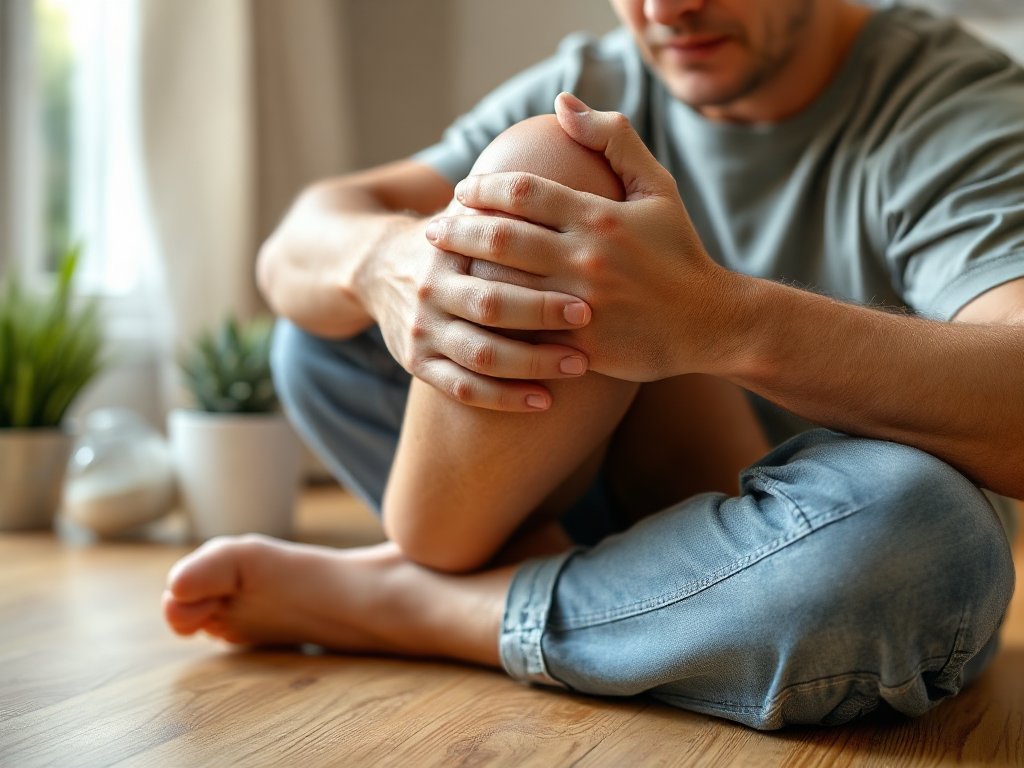
Joint relief when swelling is present without an obvious injury depends on reducing irritation while checking for causes such as arthritis, gout, bursitis, infection, or medication-related fluid changes. Rest from aggravating activity, elevate the area, use a wrapped cold pack for short intervals, and keep gentle motion within a comfortable range rather than immobilizing the joint completely. Sudden warmth, redness, severe pain, fever, inability to bear weight, or swelling that rapidly worsens needs prompt medical assessment because infection or another urgent condition can resemble an ordinary flare. Persistent or recurrent swelling also deserves an evaluation, especially when several joints, morning stiffness, or unexplained fatigue are involved.
What Unexplained Joint Swelling Can Mean
Swelling without a memorable injury usually reflects inflammation, extra fluid inside or around the joint, or irritation of nearby tissues. The pattern matters more than the mere presence of puffiness. A knee that gradually becomes stiff after ordinary activity suggests a different problem from a hot, red toe that becomes intensely painful overnight. Neither pattern should be diagnosed from appearance alone.
Common possibilities include osteoarthritis irritation, rheumatoid or other inflammatory arthritis, gout, pseudogout, bursitis, tendon problems, and infection. A recent increase in walking, kneeling, repetitive hand work, or sports can inflame a joint even when there was no single twist or impact. Some medicines and medical conditions can also contribute to fluid retention, so a medication review may be relevant.
Location offers useful clues. Swelling directly over the kneecap may involve a bursa, while a whole finger that looks enlarged can reflect inflammation within several small joints and surrounding tissues. An ankle may swell from vein or fluid problems rather than from the ankle joint itself. Compare the swollen side with the other side, note whether the skin is warm or discolored, and observe whether movement causes pain deep inside the joint or mainly at the surface.
A common mistake is assuming that “no injury” means “nothing serious.” Infection, gout, and inflammatory disease can begin without trauma. The opposite mistake is treating every mild, familiar flare as an emergency. Gradual swelling that improves with rest and lacks heat, fever, or severe pain may allow brief home monitoring, but a clinician should assess symptoms that persist, recur, or interfere with normal use. For related self-care ideas, see Joint relief when swelling is present without an obvious injury.
Practical Relief While You Monitor Symptoms
Early relief should lower irritation without hiding important changes. Reduce the activity that clearly increases swelling, but avoid complete bed rest or prolonged immobilization unless a clinician advises it. Gentle bending and straightening within a comfortable range can limit stiffness; forcing a swollen joint through pain can add irritation. A useful test is whether the joint feels the same or better a few hours after movement. If it becomes hotter, larger, or more painful, the activity was too demanding.
Cold can be useful for a newly swollen or warm area. Place a cold pack wrapped in a thin towel on the region for a short session, then remove it and check the skin. Do not apply ice directly or fall asleep with it in place. Elevation may reduce dependent swelling in a foot, ankle, hand, or knee, particularly after standing. Support the limb comfortably rather than compressing it tightly; numbness, color change, tingling, or increased pain means the wrap should come off.
Over-the-counter pain relievers require more caution than many labels imply. Nonsteroidal anti-inflammatory drugs may be unsuitable for people with kidney disease, previous gastrointestinal bleeding, certain heart conditions, blood-thinning treatment, or pregnancy-related restrictions. Acetaminophen has different risks, especially when liver disease or heavy alcohol use is present. A pharmacist can check interactions and duplicate ingredients. Do not combine products simply because they have different brand names.
Heat is not automatically better because stiffness is present. It may feel soothing for chronic tightness, but heat over a hot, actively inflamed joint can make the sensation worse. Similarly, a brace may reduce movement-related discomfort but can trap pressure around a swollen area if the fit is tight. Prioritize comfort, skin checks, and functional response over a rigid routine. A simple record of activity, swelling size, warmth, pain level, and response to cold or elevation gives more useful information than repeatedly guessing at the cause.
- Pause the aggravating task and use comfortable, gentle motion.
- Try a wrapped cold pack and elevation when the area feels warm or puffy.
- Check skin color, sensation, and circulation after any compression.
- Seek advice before using anti-inflammatory medicine if health conditions or other medicines are involved.
When Swelling Needs Medical Attention
Urgent assessment is appropriate when a swollen joint is hot, red, severely painful, or rapidly worsening, especially if fever, chills, marked fatigue, or feeling unwell occurs. A joint infection can damage tissue and may not follow an injury. Gout and pseudogout can also cause dramatic swelling, but appearance alone cannot reliably separate them from infection. A clinician may need to examine the joint and, in some situations, test joint fluid rather than relying on home treatment.
Get prompt help if the joint cannot bear weight or cannot be moved, the limb becomes numb or unusually pale, swelling follows a bite or puncture, or one-sided leg swelling occurs with shortness of breath or chest pain. Those symptoms may point beyond routine joint irritation. A new swollen joint in someone taking immune-suppressing medicine, recently undergoing surgery, or living with a condition that weakens immunity deserves a lower threshold for evaluation.
Less dramatic symptoms still warrant an appointment when swelling lasts beyond a short period, repeatedly returns, affects multiple joints, or comes with prolonged morning stiffness, psoriasis, eye inflammation, bowel symptoms, unexplained weight change, or persistent fatigue. These combinations can suggest an inflammatory or systemic condition rather than simple overuse. Delaying evaluation because the pain is tolerable can allow a treatable problem to become harder to control.
Track the timeline before contacting a clinician: when swelling began, which joint is involved, whether it is warm, recent foods or alcohol intake if a gout-like flare is suspected, new medicines, recent illness, and what reduced or increased symptoms. A photograph taken at the same angle can document change, but it does not replace examination. Do not drain, puncture, or massage a markedly swollen joint yourself. A frequent failure mode is repeatedly masking symptoms with medication while the underlying pattern becomes less clear.
Preparing for an Evaluation and Preventing Repeat Flares
A useful medical visit begins with a precise description rather than the conclusion that the joint is “just swollen.” Explain whether the swelling is inside the joint, around it, or throughout the limb; whether stiffness is worse after rest or activity; and whether the problem appeared suddenly or gradually. Bring a complete list of prescription drugs, supplements, and occasional pain medicines. The clinician may consider examination, blood tests, imaging, or fluid analysis depending on the pattern.
Prevention depends on the cause, so broad promises about a single supplement or diet are misleading. If attacks resemble gout, a clinician may discuss urate management and whether alcohol, dehydration, or particular meals coincide with flares; dietary changes should complement, not replace, prescribed care. For osteoarthritis-related swelling, gradual strengthening, pacing, weight management when relevant, and workload changes may reduce repeated mechanical stress. For inflammatory arthritis, early treatment may matter more than repeatedly adjusting home remedies.

Food choices can support general health without functioning as a cure. Meals built around vegetables, fruit, beans, whole grains, fish, nuts, and minimally processed proteins provide fiber and nutrients; heavily processed foods may be less useful as everyday staples. No food can reliably remove unexplained swelling, and restrictive elimination diets may create nutritional problems or distract from assessment. Hydration, sleep, and a sustainable activity pattern are practical supports, but they should not be used to explain away red-flag symptoms.
Return to activity in stages. A person with a swollen knee might begin with short, level walks, then add duration only if swelling does not increase later that day or the following morning. A person with hand swelling may alternate brief tasks with rest and use larger handles rather than gripping tightly. The common mistake is judging readiness only by pain during the activity; delayed swelling is also a sign that the load was excessive. Revisit the plan if symptoms repeatedly rebound, because persistent swelling signals a need to clarify the diagnosis rather than simply try harder.
For a broader comparison of comfort measures and warning signs, use Joint relief when swelling is present without an obvious injury alongside advice from a qualified healthcare professional. Keeping that information accessible can help distinguish a familiar, improving flare from a new pattern that needs attention.
Readers researching unexplained swelling should consult patient information from government health agencies, medical schools, and recognized professional organizations. These sources can explain arthritis, gout, medication precautions, and urgent symptoms without replacing an examination. A pharmacist or clinician is the appropriate source for individualized medication and diagnosis decisions.
Frequently Asked Questions
Can a joint swell without any injury?
Yes. Inflammation from arthritis, gout, pseudogout, bursitis, infection, overuse, or another medical condition can cause swelling without a single traumatic event.
Should I use ice or heat for unexplained swelling?
A wrapped cold pack is often more suitable for a warm or newly swollen area. Heat may soothe stiffness but can worsen discomfort in an actively hot, inflamed joint.
When is swollen joint pain an emergency?
Seek urgent care for rapid swelling, severe pain, marked warmth or redness, fever, inability to bear weight, numbness, or feeling acutely unwell.
How long should I monitor swelling at home?
Only mild, familiar swelling that is improving and lacks red flags should be monitored briefly. Persistent, recurrent, worsening, or unexplained swelling should be assessed by a healthcare professional.
Can diet alone relieve unexplained joint swelling?
A balanced diet may support general health, but it cannot diagnose or reliably treat unexplained swelling. Suspected gout or inflammatory disease requires appropriate medical evaluation and, when needed, treatment.
Conclusion
Unexplained swelling deserves observation guided by pattern, not assumption. Mild swelling that follows increased use and improves with activity reduction, elevation, gentle motion, or brief cold application may be monitored cautiously. Hot, red, rapidly worsening, severely painful, or function-limiting swelling calls for prompt medical assessment, particularly when fever or illness is present. Record timing, triggers, warmth, movement limits, medicines, and delayed reactions to activity so a clinician can work from useful details. Avoid puncturing the joint, over-tight compression, and repeated medication use without checking safety. Once the cause is clearer, prevention becomes more specific: pacing for mechanical irritation, targeted treatment for inflammatory disease, and individualized advice for gout-like flares. Relief is useful, but identifying why the fluid accumulated is the priority when no injury explains it.
Further Reading
Authoritative Sources
- Joint pain and swelling - symptoms, causes and treatments
healthdirect.gov.auSelf-care at home. Elevation: when resting, try to keep the joint above the level of your heart, to reduce swelling. Avoid anti-inflammatories and ice, as this ...
- Is My Joint Pain Normal? Signs, Treatments, and Relief ...
christushealth.orgVisible signs of inflammation, such as swelling, redness, and warmth around the joint, can signal conditions like arthritis, bursitis, or even infection.
- When Is Joint Pain an Emergency | Red Flag Symptoms to Know
medical.transforminglives.co.ukSeek urgent help if joint pain is severe, accompanied by swelling, warmth, redness, fever, inability to walk, or following a significant injury.
- Red flag rules for knee and lower leg differential diagnosis
pmc.ncbi.nlm.nih.govFor those who are symptomatic can present with discoloration, pain, warmth, swelling, and tenderness of the affected extremity (11).