
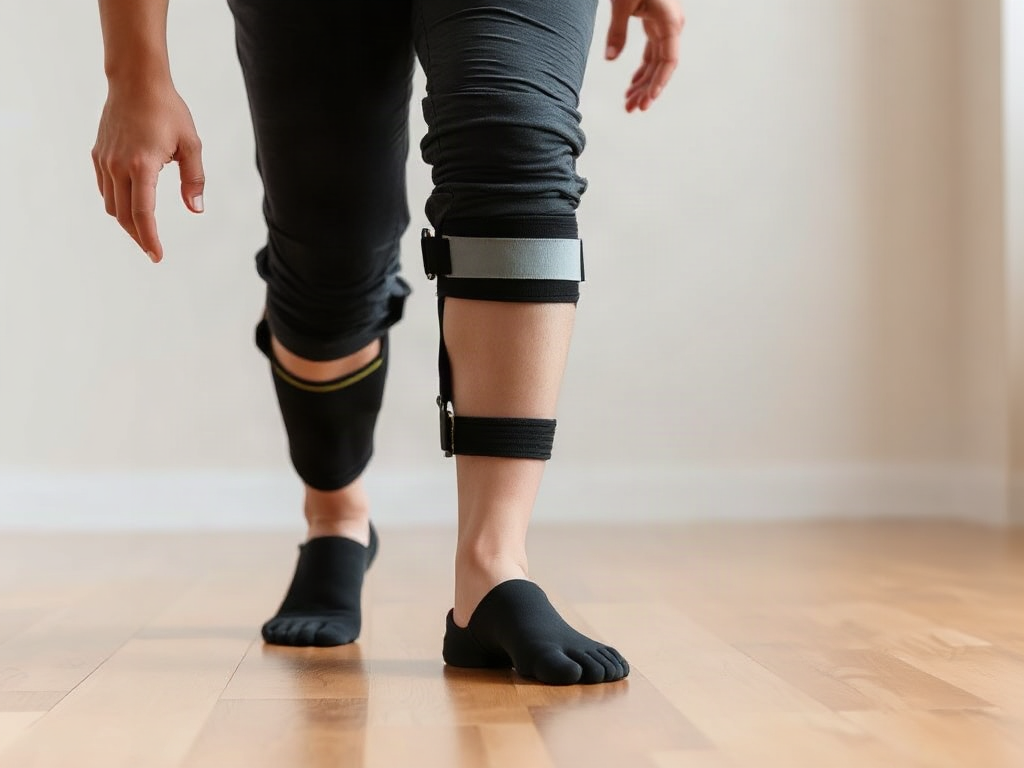
How to protect joints while recovering from immobilization depends on gradual, clinician-approved movement rather than complete rest or a sudden return to normal activity. Follow the restrictions for the injured area, keep nearby joints moving when permitted, and progress from comfortable range-of-motion work to light strengthening before heavier tasks. Swelling, stiffness, muscle weakness, and altered walking or lifting mechanics can shift stress onto other joints, so support, positioning, and pacing matter. Stop and seek medical advice for worsening pain, new numbness, marked swelling, color or temperature changes, or loss of function. The goal is controlled loading that rebuilds tolerance without provoking the healing tissue.
What Immobilization Changes in the Body
Immobilization protects a healing bone, ligament, tendon, or surgical repair by limiting motion, but the restriction also changes how force travels through the limb. Muscles lose conditioning, the capsule around a joint may become less flexible, and swelling can reduce comfortable motion. Nearby joints may then absorb work they were not handling before. Someone leaving a wrist cast, for example, may grip with the shoulder elevated or lean through the opposite arm, while a person recovering from a boot may shorten the stride and rotate the hip or foot differently.
Stiffness does not mean the joint should be forced open. A tight feeling can reflect reduced tissue glide, fluid around the joint, guarded muscles, or simple unfamiliarity with movement. Aggressive stretching may irritate healing tissue, especially when the original injury involved a repair or fracture. Conversely, keeping every nearby joint still can prolong weakness and make ordinary tasks harder. The correct balance depends on the body part, the reason for immobilization, the device used, and any instructions from a surgeon, physician, or physical therapist.
Before increasing activity, identify three boundaries: what is permitted, what remains restricted, and what symptom response is acceptable. Written discharge instructions may specify weight-bearing status, brace use, lifting limits, or allowed exercises. Those directions take priority over general online advice. If they are unclear, ask the treating team rather than testing the joint through pain. The related resource how to protect joints while recovering from immobilization is most useful when applied to those individual restrictions rather than treated as a universal exercise prescription.
How To Reintroduce Motion Without Overloading
Reintroducing motion works best when the first target is controlled, comfortable movement rather than maximum range. A clinician may recommend gentle active motion, assisted motion, or exercises for joints above and below the immobilized area. The purpose is to restore coordination and reduce guarding while respecting healing structures. Move slowly enough to notice whether the discomfort is a mild stretch, muscular effort, sharp pain, or increasing pressure inside the joint.
A practical progression might begin with several brief sessions of easy motion during the day, followed by light isometric contractions if approved. The next stage may add resistance from a band, light object, or body weight, but only after the joint tolerates basic movement without a prolonged flare. Frequency and intensity should not rise together. Adding five minutes of walking while also carrying groceries and climbing stairs creates a larger jump than the schedule suggests.
Use the response later that day and the following morning as feedback. Mild temporary stiffness may be manageable; escalating swelling, reduced range, or pain that remains noticeably worse indicates that the load was too high or the exercise was not appropriate yet. A common mistake is judging readiness by one good hour. Healing capacity can vary across the day, and pain medication may temporarily hide warning signals. Keep a simple record of the activity, symptoms, swelling, and next-day function so the rehabilitation professional can adjust the plan.
Do not assume that a painless motion is automatically safe. A healing repair may require protection even when symptoms are quiet, while a stiff but stable joint may need regular mobility. The safest choice is the movement category specifically cleared for the injury, performed with a small range and low effort first. For broader context, see how to protect joints while recovering from immobilization alongside the instructions supplied for your device or procedure.
Positioning, Support, and Everyday Joint Protection
Joint protection continues between exercise sessions. Elevating a swollen limb when advised, supporting it in a neutral position, and avoiding prolonged pressure can make movement easier later. A brace, splint, cane, walker, or shoe insert may reduce unwanted motion, but each tool changes loading elsewhere. A poorly fitted cane can increase wrist or shoulder strain; a loose boot can alter balance; an overly tight brace can cause skin irritation or numbness.
Check the fit at practical times rather than only while seated. Straps should not create concentrated pressure, the skin should remain intact, and fingers or toes should not become unusually cold, pale, blue, or numb. Ask a clinician or therapist to check device height and technique if using an aid. Do not add extra padding or remove prescribed components without advice, because either change can affect alignment and protection.
Daily tasks deserve the same attention as formal exercises. Keep frequently used items within easy reach, use two hands for light loads instead of one awkward grip, and break chores into short periods. When recovering from a lower-limb immobilization, choose stable surfaces and avoid rushing through turns. When recovering from an upper-limb restriction, place the object close to the body instead of reaching at arm’s length. These changes reduce leverage, which can lower the force required at the recovering area.
Complete rest may feel safer, but it can increase deconditioning and dependence. Pushing through every uncomfortable task creates the opposite problem. A useful comparison is planned activity versus accidental loading: a short, cleared exercise can be measured and stopped, while catching a falling pan or stumbling on stairs may produce a sudden force. Remove avoidable hazards, preserve permitted movement, and use support for the tasks that still exceed current control.
Progressing Strength, Walking, and Daily Tasks
Strength should return before demanding speed, distance, or heavy resistance. Immobilization reduces the muscle’s ability to control a joint, so the person may feel capable of moving but lack the endurance to keep good alignment. For a knee or ankle recovery, that may appear as limping, inward collapse, or reliance on the uninjured side. For a wrist or elbow recovery, it may appear as shoulder hiking or trunk twisting during a simple lift.
Progress one variable at a time. Increase repetitions before adding substantial resistance, or increase walking distance before adding hills. Keep the movement quality consistent: the last repetition should resemble the first, not depend on a compensating body position. A therapist may use step-ups, sit-to-stands, grip work, or balance drills according to the injury. These exercises are not interchangeable; an exercise suitable after a stable period of protected motion may be unsafe immediately after surgery or fracture.
Return to household and work tasks by matching them to current capacity. Carrying a light cup is different from lifting a box, and walking on a level floor is different from navigating uneven ground. Test a task in a controlled setting first, with the prescribed support, then observe the later response. If swelling repeatedly rises after a particular demand, reduce the duration or complexity rather than abandoning all activity. The aim is to build tolerance in small, observable increments.

Nutrition, sleep, and medication use can influence how well a person participates, but no food or supplement substitutes for appropriate loading and medical follow-up. Adequate meals containing protein-rich foods such as eggs, yogurt, beans, fish, poultry, or tofu can support general recovery, while fruits, vegetables, and whole grains provide a broader nutrient pattern. Supplements may interact with medicines or be unsuitable for some conditions, so discuss them with a healthcare professional. See how to protect joints while recovering from immobilization when adjusting activity around real household constraints.
Warning Signs and When To Recheck the Plan
Recovery should be reassessed when symptoms trend in the wrong direction rather than merely fluctuate after activity. Contact the treating team promptly for worsening pain, rapidly increasing swelling, a new inability to bear weight or use the limb, wound concerns, or a sudden loss of motion. New numbness, persistent tingling, unusual color or temperature changes, or a device that causes pressure marks also warrant medical advice. Urgent evaluation may be needed for severe symptoms such as chest pain, sudden shortness of breath, or one-sided leg swelling.
A delayed flare can reveal excessive workload even when the activity itself seemed easy. Compare the recovering side with the previous day, not with the uninjured side, which may set an unrealistic standard. Pain that steadily settles, swelling that remains controlled, and improving function suggest the current level may be tolerated; deterioration suggests the plan needs review. Do not respond to a setback by doubling rest or immediately resuming the prior exercise level.
Bring useful observations to follow-up: the device worn, the task performed, the onset and duration of symptoms, and whether the next morning was better or worse. This information is more actionable than saying an exercise simply “did not feel right.” A professional can then distinguish expected stiffness from a mechanical problem, excessive loading, nerve irritation, or a complication requiring examination. General advice cannot replace that assessment when the recovery course changes.
Frequently Asked Questions
Should a stiff joint be stretched after immobilization?
Only use stretching that fits the injury and has been cleared by the treating professional. Gentle, controlled range may be appropriate, but forceful stretching can aggravate healing tissue.
How quickly should activity increase?
Increase one factor at a time and judge both immediate symptoms and next-day function. A repeated rise in swelling, pain, or loss of motion means the increase may be too large.
Can a brace protect the joint during recovery?
A prescribed brace can limit unwanted movement, but fit and wearing instructions matter. Numbness, skin damage, color changes, or worsening pain should prompt a fit check.
Why do other joints hurt after a cast or boot is removed?
Weakness, altered walking or lifting mechanics, and reduced motion can shift force to nearby or opposite joints. Correcting technique and rebuilding strength gradually may reduce that extra strain.
When should recovery exercises stop?
Stop the exercise and seek guidance for sharp or escalating pain, new numbness, marked swelling, sudden weakness, or a meaningful loss of function. Follow urgent-care instructions for severe or rapidly developing symptoms.
Conclusion
Protecting joints after immobilization means respecting the original restriction while restoring useful capacity in measured stages. Prioritize the prescribed weight-bearing or lifting limits, comfortable motion, sound positioning, and gradual strength before distance, speed, or heavier tasks. Treat swelling, altered mechanics, device pressure, and next-day deterioration as information rather than something to ignore. A short activity log can show whether the current workload is tolerated and gives the treating professional specific details for adjustment. If function worsens, sensation changes, or swelling and pain escalate, pause the progression and seek advice. Recovery rarely follows a perfectly even line, but controlled loading and timely reassessment provide a safer route back to ordinary use.