
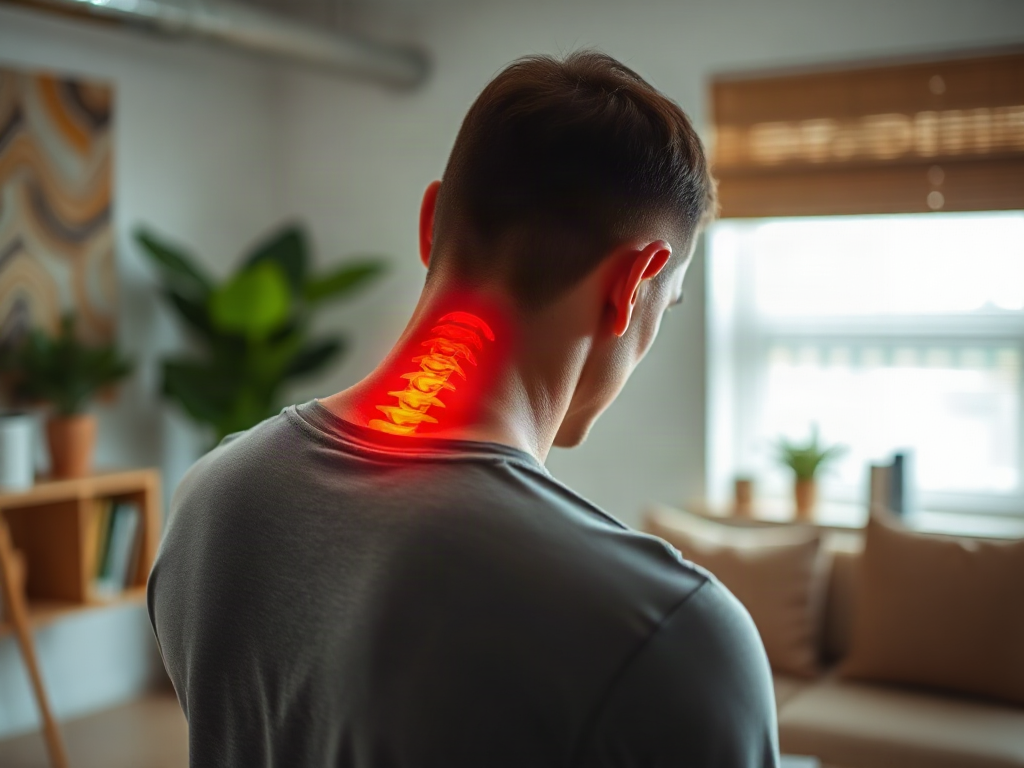
Neck and shoulder pain on the left side is often linked to muscle tension, posture, an irritated neck joint, or a pinched nerve, but sudden or unusual symptoms can require urgent assessment. Pain that changes with neck movement or follows prolonged screen use is more consistent with a musculoskeletal source, while tingling, weakness, pain traveling into the arm, fever, injury, chest pressure, shortness of breath, sweating, or nausea changes the level of concern. Gentle movement, heat or cold, ergonomic adjustments, and avoiding painful lifting may help mild symptoms. Seek prompt medical care when neurological, cardiac, infectious, or trauma-related warning signs are present.
What Left-Sided Neck and Shoulder Pain Can Mean
Neck and shoulder pain on the left side often comes from tissues that work together to support the head and move the arm. The upper trapezius, levator scapulae, rotator cuff, cervical joints, and small muscles around the shoulder blade can all become irritated after prolonged sitting, awkward sleep, repetitive reaching, or a sudden change in activity. A person who spends several hours looking down at a laptop, for example, may develop aching at the base of the neck that spreads toward the left shoulder without having a single obvious injury.
Muscle strain is only one possibility. Stiff or inflamed joints in the cervical spine may cause pain with turning or tilting the head. A disc or narrowed space around a spinal nerve may produce burning, pins and needles, or discomfort that travels from the neck into the shoulder, arm, or hand. Shoulder conditions can also be felt near the side of the neck, especially when lifting the arm overhead. The location alone does not identify the cause.
A useful distinction is whether the discomfort behaves like a movement problem or a broader illness. Pain that varies with posture, improves after changing position, and remains localized is more suggestive of a musculoskeletal source. Pain accompanied by fever, unexplained illness, significant weakness, or chest symptoms deserves a different response. Assuming every left-sided symptom is a pulled muscle can delay appropriate care, while assuming every ache is an emergency can create unnecessary fear.
Notice the circumstances around onset. A new pillow, long drive, overhead project, strength-training session, or stressful period may reveal a mechanical trigger. That clue is helpful, but it does not rule out other causes. If symptoms persist, worsen, or interfere with normal arm use, an assessment is more useful than repeatedly changing home remedies. Related information about Neck and shoulder pain on the left side should be interpreted alongside the pattern, duration, and associated symptoms.
Symptoms That Help Narrow the Source
The quality and distribution of discomfort provide more information than the left-sided location by itself. A tight, sore area that hurts when pressed or when the neck is held in one position commonly fits muscle irritation. Sharp pain during a particular shoulder movement may point more toward the shoulder than the neck. Burning or electric sensations that extend below the shoulder are more compatible with nerve involvement, especially when accompanied by numbness or altered grip.
Movement testing should remain gentle. Turning the head toward the painful side, looking upward, or raising the arm may reproduce symptoms, but forceful stretching can aggravate an irritated joint or nerve. Compare function rather than chasing pain: can you turn enough to check traffic, dress, type, and lift a light object? A gradual reduction in range may matter more than whether the area feels tender.
Consider these practical patterns:
- Localized ache: often associated with muscle overload, posture, or minor soft-tissue irritation.
- Pain into the arm or hand: raises the possibility of cervical nerve irritation, particularly with tingling, numbness, or weakness.
- Pain mainly during shoulder use: may reflect a shoulder tendon or joint problem rather than a neck disorder.
- Sudden pain with chest pressure or breathing symptoms: should not be treated as an ordinary strain.
Symptoms can overlap. A person may have both a stiff neck and a shoulder tendon problem, or muscle guarding around a mildly irritated nerve. The common mistake is treating one clue as a diagnosis. Instead, record when the pain began, what movements change it, where it travels, and whether sensation or strength has changed. That short record can make a clinical visit more efficient and helps identify whether an approach is working.
Safe First Steps for Mild Symptoms
For mild, recent discomfort without warning signs, the first priority is reducing aggravating load while preserving comfortable movement. Complete rest can increase stiffness, whereas repeatedly testing the painful motion can keep the area irritated. Short walks, relaxed shoulder movements, and frequent position changes are usually more sensible than remaining in bed or forcing an intense stretch.
Heat may feel useful when stiffness and muscle tightness dominate; a wrapped cold pack may be more comfortable after a recent activity-related flare. Neither method identifies or fixes the underlying cause, and skin should be protected from extreme temperatures. Over-the-counter pain medicine may be appropriate for some adults, but stomach ulcers, kidney disease, blood thinners, pregnancy, allergies, and other conditions can change what is safe. A pharmacist or clinician can help when the label does not clearly fit your situation.
Workstation changes should target the actual trigger. Raise a screen so the head is not continuously angled downward, keep frequently used items within easy reach, and support the forearms when possible. A simple change every 30 to 60 minutes is often more realistic than trying to maintain a rigid “perfect” posture all day. During sleep, avoid positions that leave the neck sharply rotated or the arm pinned overhead. A pillow that keeps the head roughly level with the spine may be more useful than a high or unusually firm pillow chosen without regard to sleeping position.
Use a staged approach rather than adding several interventions at once:
- Remove the activity that clearly increases symptoms for a day or two.
- Maintain comfortable daily movement and make one ergonomic adjustment.
- Track whether pain, range of motion, sleep, and arm function are improving.
- Stop an exercise if it causes spreading pain, new tingling, or increasing weakness.
Improvement should be judged by function: easier head turning, less night discomfort, or more comfortable computer use. If pain keeps escalating despite reduced load, or if every movement produces sharper symptoms, home care is no longer a complete plan. A physical therapist or clinician can distinguish mobility restrictions from nerve or shoulder problems and select exercises accordingly. More self-treatment is not automatically better; the tradeoff is that aggressive stretching may worsen a sensitized structure.
When Medical Evaluation Should Come First
Some patterns require prompt medical attention rather than a trial of home care. Emergency help is appropriate for left neck or shoulder discomfort accompanied by chest pressure, shortness of breath, fainting, unusual sweating, nausea, or pain spreading into the jaw or arm, especially when symptoms are sudden or occur with exertion. These features can reflect a serious problem outside the muscles and joints, and waiting to see whether a heating pad works is unsafe.

Urgent evaluation is also warranted after a significant fall, collision, or blow, particularly when there is severe pain, visible deformity, inability to use the arm, or new weakness. Fever, a severe headache, marked neck stiffness, confusion, or a rapidly worsening illness changes the concern level as well. New loss of bladder or bowel control is an emergency symptom when it occurs with serious spinal complaints.
Nerve-related symptoms deserve timely attention even without emergency features. Persistent numbness, dropping objects, worsening grip weakness, or pain that travels below the elbow can indicate irritation requiring examination. A clinician may assess strength, reflexes, sensation, neck motion, and shoulder function before deciding whether imaging or other testing is useful. Imaging is not automatically necessary for every episode; the decision depends on the examination, duration, injury history, and neurological findings.
For symptoms without red flags, arrange an appointment when discomfort does not begin to settle, repeatedly returns, disrupts sleep, or limits work and self-care. Bring a symptom timeline and a list of medications. Avoid masking a progressively worsening pattern with escalating doses of pain medicine. The practical goal of evaluation is not simply to assign a label; it is to determine whether the problem is primarily muscular, spinal, shoulder-related, or potentially systemic and to choose a safer next step. The Neck and shoulder pain on the left side page can support preparation, but it cannot replace an examination when warning signs are present.
Preventing Recurring Flare-Ups
Recurrence usually reflects repeated exposure to the same load rather than a single bad posture. Long periods of screen use, carrying a bag on one shoulder, frequent overhead work, and sudden increases in exercise can repeatedly challenge the same tissues. Prevention therefore works best when it changes the activity pattern, not when it focuses only on rubbing the painful spot after each flare.
Build tolerance gradually. If a person has been inactive, adding heavy rows, overhead presses, or extended stretching in one session may provoke symptoms even when the exercises are reasonable in principle. Start with comfortable resistance and controlled range, then increase one variable at a time. Strengthening the upper back and shoulder muscles may be useful for some people, but an exercise that repeatedly causes radiating symptoms should not be treated as a test of willpower.
Work habits matter as much as exercise. Alternate tasks, keep a phone from being trapped between the ear and shoulder, and use both hands for loads that are awkward or heavy. When driving, adjust the seat so the shoulders can remain relaxed and avoid holding the head forward for long periods. These small changes are less dramatic than a new device, but they address the repeated exposure that often maintains symptoms.
A practical weekly check includes four questions: Is the neck moving more freely? Can the arm perform normal tasks? Are symptoms staying localized rather than traveling farther? Does activity leave the area calmer later that day and the next morning? Improvement in these measures supports gradual progression. Worsening pain, new sensory changes, or declining strength calls for reassessment instead of increasing exercise volume. For readers comparing self-care options, Neck and shoulder pain on the left side is best approached as a pattern to evaluate, not a diagnosis to assume.
For reliable background, readers can consult patient information from the National Institute of Neurological Disorders and Stroke, the National Health Service, or major academic medical centers. These sources can explain neck nerve symptoms and urgent warning signs, but personal symptoms still require individualized clinical judgment.
Frequently Asked Questions
Can poor posture cause pain on only the left side?
Yes. A rotated monitor, one-sided bag, favored sleeping position, or repeated use of one arm can load the muscles asymmetrically. One-sided pain does not prove posture is the cause.
How can I tell whether the neck or shoulder is responsible?
Neck-related symptoms often change with neck movement and may travel into the arm, while shoulder problems are more likely to worsen with lifting or reaching. Overlap is common, so persistent symptoms may need an examination.
Should I use heat or ice?
Either may provide short-term comfort. Heat often suits stiffness, while cold can feel better after a recent activity-related flare. Protect the skin and stop if symptoms worsen.
Is tingling in the left arm always an emergency?
No, but tingling with weakness, chest pressure, breathlessness, fainting, sweating, or sudden severe symptoms requires urgent attention. Persistent or progressive tingling should be assessed promptly.
When should I stop treating it at home?
Seek care when symptoms worsen, fail to begin improving, limit normal activities, recur frequently, or involve weakness, numbness, significant injury, fever, or other warning signs.
Conclusion
Left-sided neck and shoulder discomfort should be judged by its behavior, associated symptoms, and effect on function rather than by location alone. A localized ache linked to posture or activity may settle with reduced aggravating load, comfortable movement, ergonomic changes, and cautious use of heat or cold. Radiating pain, sensory changes, weakness, trauma, fever, or chest and breathing symptoms require a more cautious pathway. Track what changes the discomfort and whether daily tasks are becoming easier. If progress stalls or the pattern becomes more concerning, arrange an evaluation instead of repeatedly intensifying home treatment. That approach protects against both common errors: dismissing a serious symptom as muscle strain and treating a manageable mechanical problem with unnecessary alarm.