
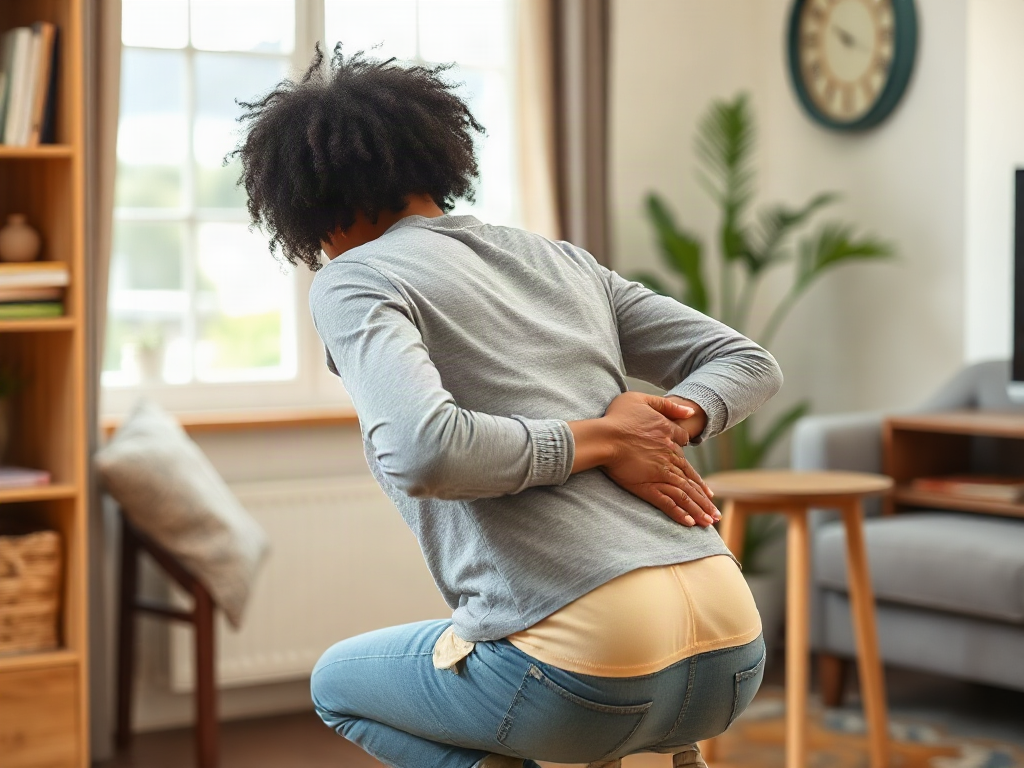
SI joint discomfort often develops when the sacroiliac joint or nearby tissues are irritated by uneven loading, prolonged sitting, lifting, pregnancy-related changes, arthritis, or an injury, and relief usually depends on reducing aggravating stress while restoring comfortable movement. Symptoms may include one-sided pain near the dimples of the lower back, buttock discomfort, stiffness, or pain that spreads toward the groin or thigh. Short periods of relative rest, heat or ice, position changes, and clinician-approved medication may calm symptoms. Gentle walking and targeted physical therapy can be more useful than complete inactivity, while leg weakness, numbness, fever, major trauma, or bowel and bladder changes require prompt medical assessment.
What the SI Joint Does and Why It Becomes Irritated
The sacroiliac, or SI, joints connect the triangular sacrum at the base of the spine with the left and right sides of the pelvis. They move only slightly, but that small amount of motion helps transfer force between the trunk and legs during standing, walking, climbing, and turning. Discomfort can arise when the joint, its supporting ligaments, or surrounding muscles are exposed to more force than they can currently tolerate.
A sudden change in loading is a common trigger. Lifting while twisting, missing a step, increasing running mileage, or spending hours in an unusual seated position can shift stress toward one side of the pelvis. Pregnancy and the period after childbirth can also alter ligament support and movement patterns. Osteoarthritis, inflammatory arthritis, leg-length differences, prior hip or back problems, and weakness in the hip and trunk muscles may further influence how the area is loaded.
The phrase “SI joint problem” should not be treated as a diagnosis by itself. The lower back, hip, gluteal muscles, and nerves can produce similar symptoms. Imaging may show age-related changes that are not the true source of discomfort, so a clinician generally considers the symptom pattern, physical examination, history, and response to movement rather than relying on a scan alone.
A practical example is a person who feels pain on one side after carrying a child on the same hip every day. The issue may involve repeated asymmetrical loading rather than a permanently displaced joint. Changing carrying sides, using both arms when possible, and rebuilding hip strength may be more useful than repeatedly trying to “put the joint back in place.” That common assumption can encourage forceful self-manipulation and prolong irritation.
Readers looking at related lower-body symptoms may also benefit from comparing this pattern with SI joint discomfort: causes, symptoms, and relief alongside information about nearby hip and lumbar structures.
Symptoms That Point Toward the Sacroiliac Region
SI joint discomfort is often felt on one side in the low back, upper buttock, or near the bony area sometimes called the posterior pelvic dimple. Some people notice pain in the groin, outer hip, back of the thigh, or upper leg. Symptoms may worsen when moving from sitting to standing, taking long steps, climbing stairs, turning in bed, standing on one leg, or bearing weight through one side.
The quality and timing of symptoms provide useful clues, but they do not confirm the source. Aching after prolonged sitting may reflect joint or soft-tissue irritation, whereas burning, electric pain, persistent tingling, or weakness raises more concern for nerve involvement. Pain that changes substantially with coughing or straining may also point toward a spinal cause. Hip disorders can cause groin pain and reduced hip rotation, making location alone an unreliable test.
A short symptom record can make a medical visit more productive. Note which side hurts, whether the discomfort began after an identifiable event, how long sitting or walking is tolerated, and whether sleep is disturbed. Record associated features such as numbness, fever, unexplained weight loss, rash, abdominal symptoms, or changes in bladder or bowel control.
- More suggestive of mechanical irritation: symptoms vary with position or load and ease with changing activity.
- Needs closer assessment: progressive weakness, widespread numbness, severe night symptoms, or pain unrelated to movement.
- Urgent warning signs: loss of bladder or bowel control, numbness around the groin, fever with severe back pain, or major trauma.
A frequent mistake is repeatedly pressing the painful spot to test it. Local tenderness can increase simply because the tissues have been poked, not because the test has identified the cause. A better approach is to observe functional patterns, such as whether a shorter stride or supported sitting reduces symptoms, without provoking the area over and over.
Practical Relief During a Flare
Early relief usually comes from reducing the specific activity that provokes symptoms without stopping all movement. If a long car ride aggravates the area, change position regularly, use a comfortable lumbar or pelvic support if it helps, and take brief walking breaks. If stairs or large strides are painful, temporarily shorten the stride and use a handrail. Relative rest protects the irritated region while preserving circulation and confidence in movement.
Heat may feel useful for muscle guarding and stiffness, while a wrapped cold pack may be more comfortable after a new strain or activity flare. Neither method identifies the cause or guarantees recovery. Use a barrier between the skin and the pack, limit exposure to a comfortable period, and stop if numbness, skin irritation, or worsening symptoms develops.
Over-the-counter pain relievers may be appropriate for some adults, but they are not risk-free. Anti-inflammatory medicines can be unsuitable for people with certain stomach, kidney, heart, blood-pressure, pregnancy, or medication-related concerns. A pharmacist or clinician can help assess whether a product is safe. Avoid treating medication as permission to continue the movement that caused the flare; masking symptoms can lead to another overload.
Gentle motion is often preferable to bed rest. Easy walking on level ground, comfortable pelvic movements, or slow changes of position may prevent stiffness. The correct dose is the amount that does not create a clear, lasting increase in symptoms later that day or the next morning. A person who feels acceptable during a walk but is markedly worse overnight should reduce duration or intensity rather than assuming the exercise is helping.
For example, someone with discomfort after gardening might divide a two-hour task into shorter blocks, alternate kneeling with standing, keep tools close to the body, and avoid repeated twisting while carrying soil. That modification addresses the loading pattern. Simply stretching harder afterward may not solve the problem and can irritate sensitive tissues.

Related movement information can be reviewed through SI joint discomfort: causes, symptoms, and relief, but exercises should be adjusted when pregnancy, recent surgery, osteoporosis, significant injury, or neurological symptoms are present.
When Evaluation and Rehabilitation Matter
Professional evaluation is worthwhile when symptoms are severe, recurrent, limiting normal activity, or failing to improve with sensible load reduction. A clinician may examine the spine, hips, pelvis, gait, strength, reflexes, and sensation. Because several structures can produce similar pain, a careful examination is often more informative than choosing an exercise from a generic list.
Physical therapy may address hip strength, trunk control, walking mechanics, flexibility, and the gradual return to lifting or sport. The goal is not necessarily to keep the pelvis rigid. The pelvis needs coordinated movement, and excessive bracing can make everyday tasks such as rolling in bed or climbing stairs feel more difficult. A therapist may begin with supported exercises and progress toward single-leg control, carrying, bending, and sport-specific tasks.
Diagnostic injections or other procedures are sometimes considered when symptoms persist and the suspected pain source needs clarification, but they are not automatic first-line solutions. Injections may provide temporary relief and can carry risks; they do not replace correction of an aggravating workload or rehabilitation when those factors are contributing. Surgery is uncommon and reserved for selected situations after careful assessment, not for ordinary short-term soreness.
Prioritize assessment sooner if pain follows a significant fall or collision, if a person cannot bear weight, or if symptoms include progressive leg weakness, numbness, fever, unexplained weight loss, cancer history, or new bowel or bladder changes. Pregnancy-related pelvic pain also deserves individualized guidance, especially when walking or turning in bed becomes difficult.
A useful progression is simple: identify the movement or position that reliably worsens symptoms, reduce its dose, maintain tolerable activity, then add strengthening gradually. Improvement may show up first as longer sitting tolerance, easier transfers, or less night discomfort rather than immediate disappearance of every sensation. If function is declining, pain is spreading with neurological changes, or each attempt at progression causes a strong flare, the plan needs reassessment rather than more persistence.
For additional context on adjacent joint concerns, readers can use SI joint discomfort: causes, symptoms, and relief as a related reference, while recognizing that self-care information cannot establish a diagnosis.
For reliable follow-up information, consult materials from recognized medical organizations, university health systems, or government health agencies that explain low-back and pelvic pain, medication safety, pregnancy-related symptoms, and urgent neurological warning signs. These sources are more dependable than videos promising to permanently realign the SI joint with one forceful maneuver.
Frequently Asked Questions
Where is SI joint discomfort usually felt?
It is commonly felt on one side near the low back or upper buttock, though discomfort may extend to the groin, outer hip, or upper thigh.
Can sitting make SI joint symptoms worse?
Yes. Prolonged or asymmetrical sitting can increase irritation for some people. Changing position, using comfortable support, and taking brief walking breaks may help.
Should I stretch when the area hurts?
Gentle movement may be reasonable, but forceful stretching is not automatically helpful. Stop if it causes sharper pain or a lasting increase in symptoms.
When should SI joint symptoms be checked by a clinician?
Arrange an evaluation for persistent, recurrent, or activity-limiting symptoms, and seek prompt care for weakness, significant numbness, fever, major trauma, or bowel and bladder changes.
Is an SI joint belt useful?
A belt may provide short-term support for some people, particularly during pregnancy or specific activities, but fit and timing matter. It should complement—not replace—assessment and movement rehabilitation.
Conclusion
SI joint discomfort is best approached as a load-and-movement problem that may involve the joint, ligaments, muscles, hip, or lower back. Notice the position or activity that provokes symptoms, reduce that demand temporarily, and retain comfortable walking or daily movement instead of choosing prolonged bed rest. Heat, cold, and medication may offer short-term comfort, but medication safety and individual health conditions must guide their use. Persistent or recurring symptoms deserve a physical assessment because similar pain patterns can come from different structures. Seek urgent care for neurological loss, fever, major trauma, or bowel and bladder changes. Progress is better measured by improved sitting, walking, sleeping, and lifting tolerance than by repeatedly testing a tender spot.