
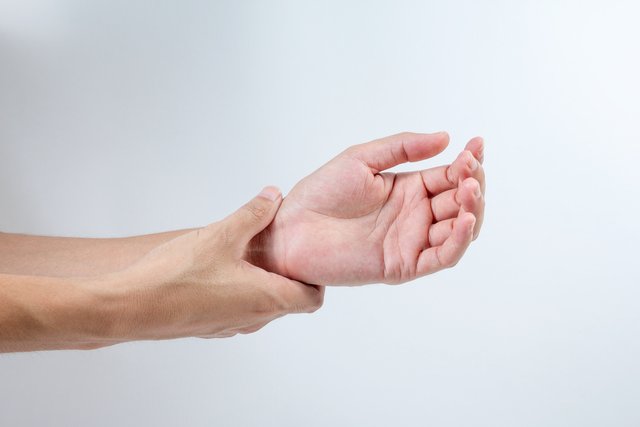
Joint pain can stem from various causes, including arthritis, injuries, or overuse. It’s important to approach exercise carefully, ensuring that movements do not exacerbate existing conditions. Prioritizing low-impact activities allows individuals to stay active while minimizing stress on the joints. Understanding your body’s limits and recognizing any pain signals is crucial in selecting the right exercises.
Gentle Stretches for Joint Relief
Incorporating gentle stretches into your routine can significantly help alleviate joint pain. Stretches like the neck tilt, shoulder stretch, and wrist flexor stretch target specific joints, enhancing flexibility and reducing tension. These movements can be performed in a seated position, making them accessible for individuals with limited mobility.
It’s important to hold each stretch for at least 15-30 seconds and breathe deeply throughout the process. Avoid bouncing or forcing any movements, as this can lead to injury. Regular stretching can improve your range of motion, making daily activities easier and more comfortable.
Mobility Exercises to Enhance Flexibility
Mobility exercises focus on improving the range of motion in joints, which is essential for maintaining joint health. Movements such as ankle circles, hip openers, and torso twists can be beneficial. These exercises help lubricate the joints and improve circulation, which can reduce pain and stiffness.
Integrating mobility exercises into your routine can enhance overall physical performance. Aim for a session of 10-15 minutes a day, focusing on slow, controlled movements. This approach not only helps in pain management but also improves functional movement patterns.
Low-Impact Movements for Joint Health
Engaging in low-impact exercises like walking, swimming, or cycling can provide significant benefits for those experiencing joint pain. These activities promote cardiovascular health without placing excessive strain on the joints. Aim for at least 30 minutes of moderate activity most days of the week.
Listening to your body is essential; if a particular movement causes pain, it may be necessary to modify or replace it with a gentler option. Additionally, consider incorporating strength training with bodyweight exercises, such as squats and lunges, which can further support joint stability.
Common Mistakes to Avoid
When exercising for joint pain relief, several common mistakes can hinder progress. One significant error is neglecting warm-up and cool-down routines, which are crucial for preventing injuries. Additionally, overexertion can lead to increased pain and inflammation, so it’s vital to pace yourself.

Another pitfall is performing exercises without proper form, which can place undue stress on joints. Consider consulting a physical therapist or fitness professional to ensure correct techniques. In closing, be cautious of jumping into high-impact exercises too quickly; gradual progression is key to long-term success.
Further Reading
Authoritative Sources
- Arthritis Foundation
arthritis.orgThis resource provides comprehensive information on exercises and therapies for managing arthritis and joint pain
- National Institutes of Health
ncbi.nlm.nih.govnih.govOffers research-based insights into effective exercise regimens for joint health and pain management
Frequently Asked Questions
What are the best exercises for joint pain relief?
Gentle stretches, mobility exercises, and low-impact activities like walking or swimming are effective for joint pain relief.
How often should I exercise for joint pain?
Aim for at least 30 minutes of low-impact exercise most days of the week, adjusting based on your comfort level.
Can I do strength training with joint pain?
Yes, bodyweight exercises can strengthen muscles around joints without added strain. Focus on proper form and low resistance.
Is stretching important for joint health?
Absolutely, stretching enhances flexibility and reduces stiffness, which can help alleviate joint discomfort.
What should I avoid when exercising with joint pain?
Avoid high-impact activities, overexertion, and exercises that cause pain. Always prioritize proper form.