
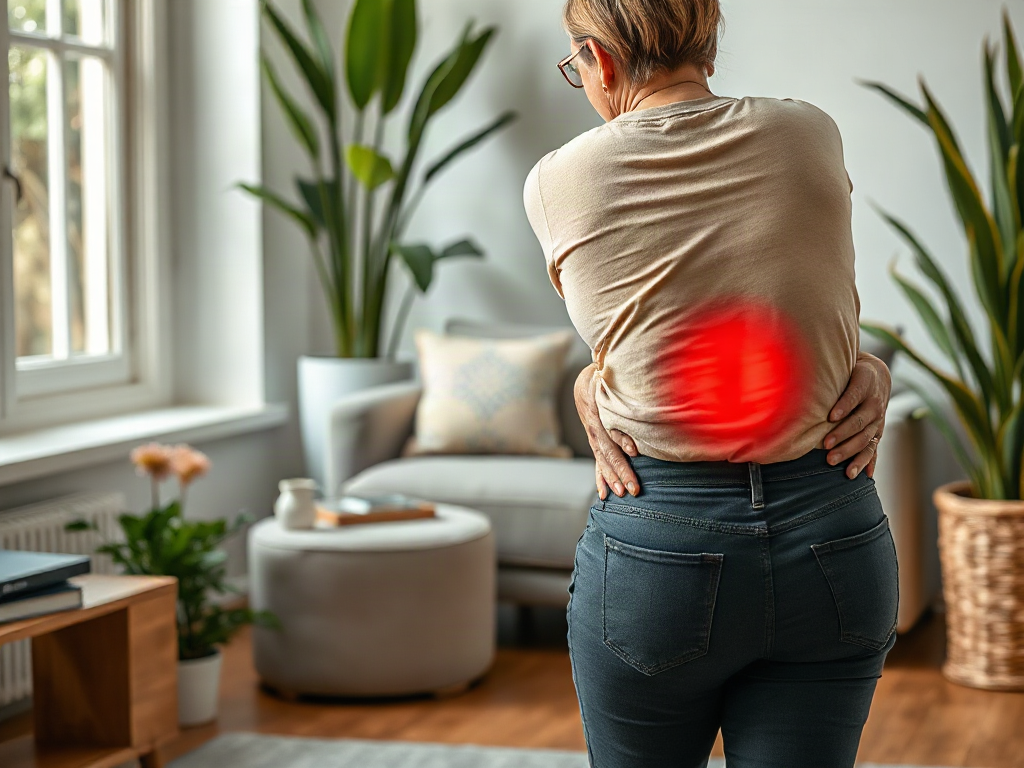
Iliopsoas muscle pain relief and movement precautions usually involve reducing painful hip-flexion demands, avoiding forceful stretching, and gradually restoring comfortable movement while checking for symptoms that suggest another problem. The iliopsoas can become irritated after prolonged sitting, repetitive lifting, running, kicking, or a sudden increase in training, with discomfort often felt deep in the front of the hip or groin. Short periods of relative rest, gentle walking, heat or ice based on response, and controlled strengthening may help some people. Stop an exercise that causes sharp, spreading, or worsening pain, and seek clinical assessment for weakness, fever, trauma, inability to bear weight, or persistent symptoms.
How Iliopsoas Irritation Develops
The iliopsoas is a deep hip-flexor group formed mainly by the psoas major and iliacus. It connects the lower spine and inside of the pelvis to the upper thigh, helping lift the leg, stabilize the trunk, and control the hip during walking, stair climbing, and transitions from sitting to standing. Irritation may develop when these tissues repeatedly contract, remain shortened, or absorb more load than they can currently tolerate.
Common triggers include a sudden increase in running, hill walking, cycling, kicking, dance, or abdominal exercises. Long periods in a chair can also leave the hip flexed for hours, so the first steps after standing may feel tight or painful. A person who spends the workday seated and then performs intense leg raises at night has a different loading problem from a runner who has increased mileage; both may describe discomfort in the front of the hip, but the useful modification is not identical.
Symptoms can include a deep ache near the groin, pain when lifting the knee, discomfort during a sit-to-stand movement, or a snapping sensation at the front of the hip. Those signs do not prove that the iliopsoas is the only source. Hip-joint conditions, abdominal or pelvic problems, lumbar nerve irritation, and other tendon disorders can feel similar. That is why repeatedly pressing into the painful area or assuming every front-of-hip symptom needs stretching can prolong irritation.
A useful first check is to compare activities rather than judging the tissue from one movement. If walking on level ground is comfortable but climbing stairs sharply increases symptoms, reduce stair volume before abandoning all movement. If pain appears when lifting the knee against resistance, temporarily avoid resisted marches and high-knee drills. The related Iliopsoas muscle pain relief and movement precautions should be adjusted to the activity that actually reproduces the problem.
Practical Relief Without Provoking the Hip
Early relief usually comes from relative rest rather than complete inactivity. Relative rest means removing the movements that clearly aggravate symptoms while retaining tolerable activity, such as brief level walking or gentle positional changes. Complete bed rest can increase stiffness and make the return to ordinary movement harder, while pushing through sharp pain may keep a sensitized hip-flexor working under excessive demand.
Use symptoms during and after an activity as feedback. A mild stretch or low-level ache that settles soon afterward may be acceptable, but pain that becomes sharper, changes the way you walk, or remains more intense later suggests that the load was too high. Heat may feel useful for stiffness before gentle movement; a wrapped cold pack may be more comfortable after an activity that leaves the area irritated. Neither changes the underlying cause, and skin protection matters with either option.
Stretching deserves restraint. A deep lunge held aggressively can place the hip into extension while the iliopsoas is already irritable, especially if the lower back arches to create more range. Begin with a small, comfortable hip-extension position and keep the ribs and pelvis controlled rather than forcing the front of the hip downward. A clinician or physical therapist can determine whether mobility work is appropriate; some people need load management and strength more than additional stretching.
Once ordinary walking and transfers are improving, gentle strengthening can restore tolerance. Options may include low-effort abdominal bracing, supported marching through a small range, or controlled hip-flexion work that does not reproduce sharp pain. Progress one variable at a time: repetitions, range, resistance, or frequency. A common mistake is testing recovery with a full workout after two comfortable days. A better approach is to repeat a modest dose, observe the response that evening and the next morning, and then increase gradually if symptoms remain stable.
- Choose movement that stays controlled and does not produce sharp or spreading pain.
- Reduce duration or resistance before eliminating every form of activity.
- Use comfort after the session and the following morning as part of the progression decision.
Movement Precautions for Daily Activities and Exercise
Daily movement often exposes the iliopsoas to more repeated loading than a single exercise session. Low chairs, deep sofas, prolonged driving, and repeated stair trips keep the hip flexed and may make standing uncomfortable. Break up sitting with brief, easy walks or standing changes when feasible. When rising, move toward the edge of the seat and use the legs and armrests rather than forcefully pulling the knee upward.
Walking is often a useful recovery activity when the stride is comfortable, but hills and fast pace increase hip-flexor demand. Start with level ground and a shorter route. If a limp develops, the distance is too ambitious for that stage. Cycling may be tolerated by some people, yet a low handlebar position and high resistance can keep the hip flexed under load; raising the handlebars or reducing resistance may be more sensible than assuming cycling is automatically gentle.
Exercise selection should match the irritability of the symptoms. Temporarily limit sprinting, uphill running, repeated high knees, hanging leg raises, aggressive sit-ups, deep lunges, and forceful kicking if they reproduce the pain. Substitute movements that train nearby capacity without the same hip-flexion demand, such as upper-body work or carefully controlled bridge variations when those are comfortable. The alternative is not universally safer: a bridge can still aggravate symptoms if it causes cramping or compensatory back movement.
Technique provides useful information. During a march, excessive trunk leaning, pelvic twisting, or gripping at the front of the hip suggests that the load or range is beyond current control. During a lunge, an exaggerated lower-back arch may create the impression of more hip extension while shifting stress elsewhere. Reduce the range, slow the movement, and use support before adding resistance. If pain repeatedly returns despite these changes, professional assessment is more useful than cycling through increasingly forceful stretches. For related planning, readers can also use movement precautions for iliopsoas irritation as a reminder to prioritize tolerance over intensity.

When Symptoms Need Professional Assessment
Front-of-hip discomfort should not automatically be self-treated as a strained muscle. Prompt medical evaluation is appropriate after a significant fall, sudden forceful injury, inability to bear weight, marked weakness, severe night pain, fever, redness, unexplained swelling, or pain accompanied by abdominal or urinary symptoms. Numbness, progressive leg weakness, or pain that travels from the back into the leg may point toward a nerve or spine-related issue rather than an isolated iliopsoas problem.
Assessment is also sensible when symptoms do not show a clear trend toward improvement after activity has been modified, or when recurring pain repeatedly interrupts walking, sleep, work, or exercise. A clinician may examine hip range, resisted flexion, gait, lumbar movement, and nearby structures. Imaging is not automatically needed for every mild episode; its usefulness depends on the history and examination findings.
Keep a short activity record before an appointment. Note when the pain began, which movement reproduces it, whether sitting or walking changes it, and what happens the following morning after exercise. That information is more useful than simply reporting that the hip feels tight. Medication decisions should account for other conditions and medicines, so follow a pharmacist’s or clinician’s advice rather than treating over-the-counter pain relief as permission to increase training.
The most reliable sign of a suitable plan is not instant disappearance of discomfort. It is improved function: easier standing, a more even stride, better tolerance for ordinary sitting, and no escalating response after modest exercise. If relief measures mask pain while activity keeps increasing, the apparent improvement may be misleading. Use comfort as one signal, but give equal weight to movement quality and next-day response.
Frequently Asked Questions
How long does iliopsoas irritation take to settle?
Timing varies with the cause, load, and irritability. Mild symptoms may improve after activity modification, while persistent or recurring pain should be assessed rather than repeatedly tested.
Should I stretch a painful iliopsoas?
Only use a gentle, comfortable range. Forceful lunges or prolonged stretching can increase symptoms, particularly when the pain is sharp or worsens afterward.
Is walking safe with front-of-hip pain?
Level walking may be reasonable if it does not cause limping, sharp pain, or a worsening response later. Reduce pace, hills, and distance if symptoms increase.
What exercises should I avoid initially?
Temporarily avoid any movement that clearly reproduces symptoms, such as sprinting, high knees, resisted marches, deep lunges, or leg raises, then reintroduce demand gradually.
When should iliopsoas pain be checked by a clinician?
Seek care for trauma, inability to bear weight, fever, significant weakness, numbness, abdominal or urinary symptoms, worsening pain, or symptoms that fail to improve with sensible load reduction.
Conclusion
Effective iliopsoas muscle pain relief depends less on finding one perfect stretch and more on matching movement to current tolerance. Reduce the specific loads that trigger symptoms, keep comfortable activity where possible, and judge progress by walking quality, daily function, and the response later that day and the next morning. Sitting habits, hills, speed, deep hip positions, and resisted knee lifting can all change the demand on this tissue. Avoid using temporary pain relief to justify a rapid return to intense exercise. Symptoms after trauma, neurological changes, systemic illness, inability to bear weight, or persistent limitation deserve clinical assessment. A gradual return that respects warning signs is usually more useful than alternating between complete inactivity and a full workout.