What Is the Fastest Way to Reduce Joint Swelling: Effective Methods and Remedies

What is the fastest way to reduce joint swelling decisions improve when you prioritize constraints, tradeoffs, and common mistakes before acting.

In addition to the RICE method, over-the-counter non-steroidal anti-inflammatory drugs (NSAIDs) like ibuprofen can reduce inflammation and provide pain relief. Dietary changes may also play a crucial role; incorporating anti-inflammatory foods such as fatty fish, leafy greens, and nuts can aid in managing chronic swelling. It’s essential to recognize that while these methods can provide immediate relief, underlying causes of joint swelling should be addressed for long-term health.

Understanding Causes of Joint Swelling

Joint swelling can result from various factors including injury, arthritis, and inflammatory diseases. Understanding the root cause is critical for effective treatment. For instance, conditions like rheumatoid arthritis or gout often require specific medical interventions beyond home remedies.

Many individuals mistakenly attribute joint swelling solely to physical activity or age, overlooking other potential triggers such as dietary habits or underlying health conditions. Identifying these causes can help prioritize the most effective treatment approach.

Immediate Relief Techniques

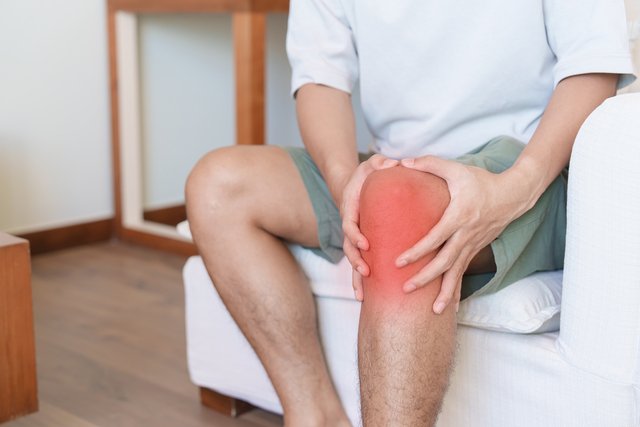
Utilizing the RICE method is one of the fastest ways to reduce swelling. Resting the joint allows it to recover, while applying ice for 15-20 minutes every hour can significantly decrease inflammation. Compression with a bandage can help limit swelling, and elevation of the joint above heart level facilitates fluid drainage.

While these techniques are effective in the short term, relying solely on them without addressing underlying issues may lead to recurring swelling. It’s vital to listen to your body and consult a healthcare professional if swelling persists.

Dietary Adjustments for Reduced Swelling

Incorporating anti-inflammatory foods into your diet can enhance the body’s ability to manage joint swelling. Foods rich in omega-3 fatty acids, such as salmon and walnuts, as well as antioxidants found in berries and leafy greens, can reduce inflammation.

On the other hand, it’s essential to minimize the intake of processed foods high in sugar and unhealthy fats, which can exacerbate inflammation and contribute to joint pain. A balanced diet not only supports joint health but also improves overall well-being.

Long-term Management Strategies

For sustained relief from joint swelling, a comprehensive approach is necessary. This includes regular physical activity tailored to your abilities, maintaining a healthy weight to reduce joint stress, and possibly engaging in physical therapy to strengthen surrounding muscles.

Moreover, staying hydrated and managing stress through techniques such as yoga or mindfulness can positively impact joint health. Consider consulting a healthcare provider for personalized strategies that cater to your specific needs.

Further Reading

Authoritative Sources

  • MedlinePlus
    medlineplus.gov

    Consumer-friendly medical and health information from the U.S. National Library of Medicine.

  • National Institutes of Health
    nih.gov

    Research-based health information and links to authoritative medical resources.

  • Centers for Disease Control and Prevention
    cdc.gov

    Official public health guidance, prevention resources, and topic-specific recommendations.

  • Mayo Clinic
    mayoclinic.org

    Trusted clinical guidance, symptom explainers, and treatment overviews.

  • World Health Organization
    who.int

    Global health guidance, fact sheets, and evidence-based public health information.

Frequently Asked Questions

What causes joint swelling?

Joint swelling can be caused by injuries, arthritis, infections, or conditions like bursitis and tendinitis.

How long does joint swelling last?

The duration of joint swelling depends on the underlying cause; it can last from a few days to several weeks.

Can diet affect joint swelling?

Yes, a diet rich in anti-inflammatory foods can help reduce joint swelling and pain.

When should I see a doctor for joint swelling?

If swelling persists for more than a few days or is accompanied by severe pain, it’s advisable to seek medical attention.

Are there any exercises to help reduce joint swelling?

Low-impact exercises like swimming and cycling can promote joint mobility without exacerbating swelling.

Conclusion

To effectively manage joint swelling, prioritize immediate care methods like RICE while also considering dietary changes and long-term strategies. Understanding the root cause of swelling is crucial for effective treatment. By implementing these strategies, you can reduce swelling and improve joint function, leading to a healthier, more active lifestyle.
How to Relieve Shoulder Joint Pain Without Medication: Effective Techniques and Exercises

How to relieve shoulder joint pain without medication decisions improve when you prioritize constraints, tradeoffs, and common mistakes before acting.

Understanding the causes of shoulder pain is crucial. Common issues include muscle strain, poor posture, and repetitive movements. By addressing these factors through specific exercises and stretches, individuals can effectively manage their discomfort. Prioritizing proper body mechanics during daily activities is equally important to prevent further strain.

Understanding Shoulder Joint Pain

Shoulder joint pain can arise from various sources, including tendonitis, bursitis, and muscle strain. These conditions often result from overuse, injury, or poor posture. Recognizing the underlying cause is essential for effective treatment. For example, tendonitis typically results from repetitive overhead activities, while bursitis may occur due to inflammation of the bursa.

Many individuals mistakenly believe that only medication can alleviate pain. However, understanding the body’s mechanics can lead to effective non-pharmaceutical interventions. Prioritizing rest and avoiding aggravating activities can be beneficial. Additionally, consulting with a healthcare professional for a proper diagnosis is crucial in determining the best course of action.

Effective Exercises for Relief

Incorporating specific exercises can significantly improve shoulder function and reduce pain. Strengthening the rotator cuff muscles, for example, enhances stability and support for the shoulder joint. Exercises like external rotations and shoulder blade squeezes are particularly effective.

It’s important to perform these exercises with proper form to avoid further injury. Start with light resistance and gradually increase as strength improves. Consistency is key; aim for at least three times a week to see noticeable results. Always listen to your body and stop if pain intensifies.

Stretching Techniques to Alleviate Pain

Stretching is vital for maintaining flexibility and reducing tension in the shoulder area. Simple stretches such as the cross-body stretch and doorway stretch can help alleviate tightness. Holding each stretch for 15-30 seconds and repeating several times can enhance effectiveness.

Incorporate stretching into your daily routine, ideally after warming up your muscles. This practice not only improves mobility but also helps to prevent future injuries. Remember to breathe deeply during stretches to maximize relaxation and effectiveness.

Lifestyle Adjustments and Ergonomics

Making ergonomic adjustments in your workspace can significantly impact shoulder health. Ensure your computer is at eye level, and use a chair that supports good posture. Regular breaks to stretch and move around can also prevent stiffness and discomfort.

Additionally, being mindful of your posture during daily activities is crucial. Avoid slouching and practice proper lifting techniques to reduce strain on your shoulders. Simple changes, such as using a backpack instead of a shoulder bag, can also make a difference.

Further Reading

Authoritative Sources

  • MedlinePlus
    medlineplus.gov

    Consumer-friendly medical and health information from the U.S. National Library of Medicine.

  • National Institutes of Health
    nih.gov

    Research-based health information and links to authoritative medical resources.

  • Centers for Disease Control and Prevention
    cdc.gov

    Official public health guidance, prevention resources, and topic-specific recommendations.

  • Mayo Clinic
    mayoclinic.org

    Trusted clinical guidance, symptom explainers, and treatment overviews.

  • World Health Organization
    who.int

    Global health guidance, fact sheets, and evidence-based public health information.

Frequently Asked Questions

What are common causes of shoulder joint pain?

Common causes include tendonitis, bursitis, muscle strain, and arthritis, often resulting from overuse or injury.

Can I relieve shoulder pain without seeing a doctor?

Yes, many techniques such as exercises, stretches, and ergonomic adjustments can provide relief. However, consult a healthcare professional if pain persists.

What types of exercises are best for shoulder pain?

Rotator cuff strengthening exercises, stretching routines, and mobility exercises are particularly effective.

How often should I perform shoulder exercises?

Aim for at least three times a week, ensuring to listen to your body and adjust as needed.

Is heat or ice more effective for shoulder pain relief?

Ice is generally recommended for acute pain and swelling, while heat can be beneficial for muscle relaxation and chronic pain.

Conclusion

Relieving shoulder joint pain without medication is achievable through targeted exercises, stretching, and lifestyle adjustments. Understanding the causes of your pain and implementing effective techniques can lead to significant improvement in mobility and comfort. Prioritize these methods and consult a healthcare professional if pain persists to ensure a comprehensive approach to your shoulder health.

Best Natural Supplements For Joint Pain And Stiffness Relief: Effective Options To Consider

Best natural supplements for joint pain and stiffness relief decisions improve when you prioritize constraints, tradeoffs, and common mistakes before acting.

When considering these supplements, it is crucial to understand their mechanisms and potential benefits. For instance, glucosamine and chondroitin are often used together to support cartilage health, while turmeric contains curcumin, known for its anti-inflammatory properties. Omega-3 fatty acids, found in fish oil, can also help reduce joint inflammation. However, results can vary, and some may require a combination of supplements for optimal relief.

Additionally, it’s essential to consult with a healthcare provider before starting any supplement regimen, especially if you are already taking medications or have underlying health conditions. This ensures that the chosen supplements do not interact negatively with your current treatments.

Understanding Joint Pain and Stiffness

Joint pain and stiffness can arise from various conditions, including arthritis, injuries, and overuse. These issues often lead to inflammation, which contributes to discomfort and reduced mobility. Understanding the underlying causes of joint pain is essential for selecting the most appropriate natural supplements.

Many individuals experience joint pain as they age, making it a prevalent concern. Misunderstandings about its causes can lead to ineffective treatments. For instance, some may overlook the role of diet in inflammation. Identifying triggers, such as certain foods or lifestyle habits, can significantly influence the effectiveness of supplements.

Top Natural Supplements

Several natural supplements have gained recognition for their potential to alleviate joint pain and stiffness. Glucosamine and chondroitin are commonly recommended due to their roles in cartilage health. Turmeric, with its active compound curcumin, offers strong anti-inflammatory benefits. Omega-3 fatty acids, particularly from fish oil, are also effective in reducing inflammation and promoting joint health.

When selecting supplements, consider their quality and source. For example, not all fish oil supplements are created equal; look for those that are third-party tested for purity. Additionally, combining different supplements, like turmeric with black pepper (which enhances absorption), may yield better results. Always consult with a healthcare professional to tailor choices to individual needs.

Dosage and Safety Considerations

Proper dosage is critical for the effectiveness of natural supplements. For glucosamine and chondroitin, a common dosage is 1500 mg and 1200 mg, respectively, taken daily. Turmeric dosages can vary, but 500-2000 mg of curcumin is often recommended. Omega-3 fatty acids should typically be consumed at a dose of 1000-3000 mg per day.

Safety is paramount. Natural does not always mean risk-free; potential side effects and interactions with medications should be taken seriously. For example, turmeric can affect blood clotting, and omega-3s can interact with anticoagulants. Consulting a healthcare provider ensures safe and effective use of these supplements.

Lifestyle Factors to Support Joint Health

In addition to supplements, lifestyle changes can significantly impact joint health. Regular exercise, particularly low-impact activities like swimming or cycling, helps maintain joint function and reduces stiffness. A balanced diet rich in anti-inflammatory foods—such as fruits, vegetables, nuts, and whole grains—can complement the effects of supplements.

Moreover, maintaining a healthy weight reduces stress on joints, particularly weight-bearing ones. It’s also essential to stay hydrated and consider physical therapy for tailored exercises and strategies to manage pain. These holistic approaches, combined with the right supplements, can lead to improved joint health.

Further Reading

Authoritative Sources

Frequently Asked Questions

What are the best natural supplements for joint pain?

The most effective natural supplements for joint pain include glucosamine, chondroitin, turmeric, omega-3 fatty acids, and boswellia.

How long does it take for natural supplements to relieve joint pain?

Relief may take several weeks to a few months, depending on the supplement and individual response.

Are there any side effects of natural supplements for joint pain?

While generally safe, some supplements can cause side effects or interact with medications. Always consult a healthcare provider.

Can diet affect joint pain?

Yes, an anti-inflammatory diet can help reduce joint pain and improve overall joint health.

Should I consult a doctor before taking supplements?

Yes, it’s advisable to consult a healthcare provider to ensure safety and proper dosage.

Conclusion

Natural supplements can be a valuable part of managing joint pain and stiffness, but they should not be seen as a standalone solution. Combining these supplements with a healthy lifestyle, proper diet, and regular exercise can enhance their effectiveness. Always prioritize safety by consulting with a healthcare provider, especially if you have existing health conditions or are taking other medications. By taking a comprehensive approach, you can significantly improve your joint health and overall quality of life.

How To Improve Joint Mobility For Beginners Over 40

How to improve joint mobility for beginners over 40 decisions improve when you prioritize constraints, tradeoffs, and common mistakes before acting.

Improving joint mobility for beginners over 40 is essential for maintaining an active lifestyle and preventing injuries. As we age, joints may become stiffer and less flexible, making it crucial to incorporate effective strategies for enhancing mobility. Engaging in regular stretching exercises, low-impact workouts, and maintaining a healthy diet can significantly contribute to better joint health.

However, many beginners often overlook the importance of gradual progression and proper technique. Rushing into intense workouts can lead to injuries, discouragement, or a lack of motivation. Prioritizing consistency over intensity, along with understanding the body’s signals, is vital for sustainable improvements in mobility.

Understanding Joint Mobility

Joint mobility refers to the range of motion in your joints, which can decrease due to age, inactivity, or injury. Understanding the factors that affect mobility is crucial for establishing a routine that supports joint health. Mobility impacts daily activities and overall quality of life; therefore, it’s important to address any limitations early on.

Common misconceptions include the belief that joint pain is an inevitable part of aging. While some discomfort may occur, many individuals can maintain or even improve their mobility through targeted activities and lifestyle choices. It’s essential to differentiate between normal discomfort and pain that requires medical attention, ensuring a safe approach to mobility enhancement.

Effective Stretching Techniques

Incorporating stretching into your daily routine can significantly enhance joint mobility. Stretching helps to elongate muscles, improve flexibility, and increase blood flow to the joints. Focus on dynamic stretches that prepare the body for movement, such as arm circles and leg swings, as well as static stretches that promote flexibility, like the hamstring stretch and quadriceps stretch.

It’s important to hold each stretch for at least 15-30 seconds and to breathe deeply throughout the process. Beginners should aim for a stretching routine at least three times a week, gradually increasing frequency and intensity as their bodies adapt. Remember, consistency is key; skipping stretching sessions can hinder progress.

Low-Impact Exercises for Joint Health

Low-impact exercises are ideal for improving joint mobility without putting excessive strain on the joints. Activities such as swimming, cycling, and yoga are excellent choices for beginners over 40. These exercises promote strength, flexibility, and endurance while minimizing the risk of injury.

When starting a new exercise routine, it’s crucial to listen to your body and avoid pushing through pain. Many beginners make the mistake of comparing themselves to others, which can lead to overexertion. Instead, focus on your personal progress and gradually increase the duration and intensity of your workouts.

Nutritional Support for Joints

A well-balanced diet plays a vital role in joint health. Consuming anti-inflammatory foods, such as fatty fish, nuts, fruits, and vegetables, can help reduce joint inflammation and support mobility. Additionally, staying hydrated is essential for maintaining joint lubrication.

Some beginners may overlook the impact of nutrition on joint health. It’s beneficial to consult with a healthcare provider or nutritionist to create a personalized dietary plan that supports your mobility goals. Incorporating supplements, like glucosamine and chondroitin, may also be beneficial, but always consult a healthcare professional before starting any new supplements.

Further Reading

Authoritative Sources

  • MedlinePlus
    medlineplus.gov

    Consumer-friendly medical and health information from the U.S. National Library of Medicine.

  • National Institutes of Health
    nih.gov

    Research-based health information and links to authoritative medical resources.

  • Centers for Disease Control and Prevention
    cdc.gov

    Official public health guidance, prevention resources, and topic-specific recommendations.

  • Mayo Clinic
    mayoclinic.org

    Trusted clinical guidance, symptom explainers, and treatment overviews.

  • World Health Organization
    who.int

    Global health guidance, fact sheets, and evidence-based public health information.

Frequently Asked Questions

What are the best stretches for joint mobility?

Some effective stretches include hamstring stretches, quadriceps stretches, and shoulder rolls, which help improve flexibility and range of motion.

How often should I exercise to improve joint mobility?

Aim for at least 150 minutes of moderate exercise per week, incorporating stretching and strength training at least three times a week.

Can I improve joint mobility without equipment?

Yes, many bodyweight exercises, such as yoga and Pilates, can effectively improve joint mobility without the need for equipment.

What role does hydration play in joint health?

Staying hydrated helps maintain joint lubrication, reducing friction and discomfort during movement.

Should I consult a doctor before starting a new exercise program?

Yes, especially if you have pre-existing health conditions or concerns about joint pain, consulting a healthcare professional is advisable.

Conclusion

Improving joint mobility for beginners over 40 is achievable through consistent efforts in stretching, low-impact exercises, and proper nutrition. Prioritize gradual progression, listen to your body, and avoid common pitfalls such as overexertion. By incorporating these practices into your routine, you can enhance your mobility, reduce discomfort, and maintain an active lifestyle well into your later years.

Why Do My Joints Ache More At Night

Why do my joints ache more at night decisions improve when you prioritize constraints, tradeoffs, and common mistakes before acting.

Many people experience increased joint discomfort at night, which can be frustrating and disruptive to sleep. The reasons behind this phenomenon are multifaceted and can vary based on individual health conditions, lifestyle, and environmental factors. Understanding these causes can help in managing pain more effectively and improving overall quality of life.

One significant factor is the body’s natural circadian rhythms. At night, the body temperature drops, which can lead to stiffness in the joints. Additionally, decreased activity during the evening can result in less blood flow to the joints, exacerbating feelings of discomfort. For those with underlying conditions such as arthritis, the inflammatory processes may be more active during the night, leading to increased pain levels.

Understanding the Biological Factors

The human body undergoes various biological changes throughout the day, particularly during nighttime. Hormonal fluctuations can affect pain perception, with cortisol levels typically dropping at night. This decrease can make the body more sensitive to pain. Furthermore, as the body rests, inflammation can become more pronounced, particularly in conditions like arthritis, where joint swelling may lead to increased pain perception.

Recognizing these biological rhythms is essential for managing discomfort. Individuals with chronic pain conditions should consider how these changes might affect their symptoms at night. For instance, maintaining a consistent sleep schedule can help regulate hormonal levels and potentially mitigate pain sensitivity.

Impact of Lifestyle Choices

Lifestyle factors play a crucial role in joint health and can significantly affect nighttime discomfort. Poor diet, lack of exercise, and inadequate hydration can contribute to inflammation and joint stiffness. Foods high in sugar and processed ingredients can exacerbate inflammatory responses, while a sedentary lifestyle may lead to weakened muscles and increased strain on the joints.

To combat nighttime joint pain, individuals should focus on maintaining a balanced diet rich in anti-inflammatory foods, such as fruits, vegetables, nuts, and fatty fish. Regular exercise, even light activities like walking or stretching, can enhance circulation and reduce stiffness, making it easier to manage pain at night.

Environmental Influences on Joint Pain

Environmental factors also play a role in joint discomfort. Changes in weather, particularly temperature and humidity, can influence how joints feel. For example, many individuals report increased pain during cold or damp weather, which may be linked to changes in barometric pressure affecting joint tissues.

Creating a comfortable sleep environment can help alleviate some of this discomfort. Maintaining a warm sleeping area and using supportive bedding can minimize stiffness. Additionally, individuals might consider using heat therapy, such as heating pads, before bed to relax muscles and joints, potentially reducing pain levels.

Managing Nighttime Joint Discomfort

Effective management of nighttime joint pain often requires a multi-faceted approach. Over-the-counter pain relief medications may provide temporary relief, but they should be used cautiously and under the guidance of a healthcare provider. Alternative therapies, including acupuncture and physical therapy, may also offer benefits.

Moreover, establishing a relaxing bedtime routine can improve sleep quality and potentially reduce pain perception. Techniques such as gentle stretching, meditation, or warm baths can promote relaxation and help ease joint discomfort before sleep.

Further Reading

For those seeking additional information on managing joint pain, consider exploring resources from reputable healthcare organizations or academic institutions. They often provide insights into effective treatment options, lifestyle changes, and the latest research on joint health.

Further Reading

Authoritative Sources

  • MedlinePlus
    medlineplus.gov

    Consumer-friendly medical and health information from the U.S. National Library of Medicine.

  • National Institutes of Health
    nih.gov

    Research-based health information and links to authoritative medical resources.

  • Centers for Disease Control and Prevention
    cdc.gov

    Official public health guidance, prevention resources, and topic-specific recommendations.

  • Mayo Clinic
    mayoclinic.org

    Trusted clinical guidance, symptom explainers, and treatment overviews.

  • World Health Organization
    who.int

    Global health guidance, fact sheets, and evidence-based public health information.

Frequently Asked Questions

Why does joint pain worsen at night?

Joint pain often worsens at night due to decreased activity, changes in body temperature, and heightened sensitivity to pain as cortisol levels drop.

Can diet affect nighttime joint pain?

Yes, a diet high in inflammatory foods can exacerbate joint pain. Incorporating anti-inflammatory foods may help reduce discomfort.

What lifestyle changes can help with nighttime joint pain?

Regular exercise, maintaining a healthy weight, and practicing stress-reduction techniques can significantly improve joint health and reduce nighttime pain.

Does weather affect joint pain?

Many people report increased joint pain with changes in weather, particularly in cold or damp conditions, due to pressure changes affecting joint tissues.

What are some effective remedies for nighttime joint pain?

Heat therapy, gentle stretching, and maintaining a comfortable sleep environment can help manage nighttime joint pain effectively.

Conclusion

Experiencing joint pain at night can be distressing, but understanding the underlying causes is the first step toward effective management. By taking proactive measures such as improving dietary habits, engaging in regular physical activity, and creating a supportive sleep environment, individuals can significantly reduce discomfort. Additionally, being mindful of biological rhythms and environmental influences can further aid in managing pain. Prioritizing these strategies can lead to better sleep quality and enhanced overall well-being.

Understanding What Causes Sudden Joint Pain

What causes sudden joint pain decisions improve when you prioritize constraints, tradeoffs, and common mistakes before acting.

Sudden joint pain can arise from numerous sources, ranging from acute injuries to chronic medical conditions. Understanding the underlying causes is essential for effective treatment and management. Common triggers include traumatic injuries, such as sprains or fractures, inflammatory conditions like arthritis, and infections. Each cause requires a different approach to diagnosis and treatment, making it crucial to accurately identify the source of the pain.

When experiencing sudden joint pain, the stakes are high. Many individuals may assume that their symptoms are merely a result of overexertion or aging, leading to missed opportunities for timely intervention. Misdiagnosing the issue can result in ineffective treatments or worsening conditions. Therefore, it’s important to recognize the signs of more serious issues, like infections or autoimmune diseases, which may require immediate medical attention.

Common Causes of Sudden Joint Pain

Several factors can lead to sudden joint pain, with some of the most prevalent being injuries, arthritis flare-ups, and infections. For instance, a sports-related injury might cause acute pain in a specific joint, while conditions like gout or rheumatoid arthritis can lead to sudden inflammation and discomfort.

Understanding the nuances of these conditions is vital. For example, injuries often come with swelling and bruising, providing visual cues that indicate a need for rest and possibly medical evaluation. Conversely, conditions like rheumatoid arthritis might not present immediate visible signs but can lead to severe pain and long-term damage if untreated.

When to Seek Medical Attention

Recognizing when to consult a healthcare professional is crucial for addressing sudden joint pain effectively. If the pain is accompanied by symptoms such as significant swelling, redness, fever, or inability to move the joint, seeking medical attention should be a priority. These signs could indicate a more serious underlying issue, such as an infection or severe injury.

Additionally, if the pain persists or worsens despite home care measures, it is essential to consult a healthcare provider. Early diagnosis often leads to better outcomes and can prevent chronic issues from developing.

Home Remedies and Treatments

For mild cases of sudden joint pain, various home remedies may provide relief. Resting the affected joint, applying ice, and elevating the area can help reduce pain and swelling. Over-the-counter anti-inflammatory medications can also be effective in managing symptoms.

However, it’s important to approach home treatments with caution. While they can alleviate discomfort temporarily, they may not address the root cause of the pain. Therefore, if symptoms persist, further evaluation is necessary to develop a comprehensive treatment plan.

Preventive Measures

Preventing sudden joint pain involves maintaining a healthy lifestyle and being mindful of joint health. Regular exercise, a balanced diet rich in anti-inflammatory foods, and proper hydration can contribute significantly to joint health. Additionally, avoiding excessive strain on joints during physical activities can help mitigate risks of injury.

Being proactive about joint health is key. Individuals with a history of joint issues should consider regular check-ups with healthcare providers to monitor their condition and adjust their preventive strategies as necessary.

Further Reading

Authoritative Sources

  • Arthritis Foundation
    arthritis.org

    A comprehensive resource for understanding arthritis and joint pain management

  • National Institutes of Health
    ncbi.nlm.nih.gov

    Research articles and studies focused on joint health and pain causes

  • Mayo Clinic
    mayoclinic.org

    Guidelines and advice for managing joint pain symptoms effectively

Frequently Asked Questions

What are the immediate steps to take for sudden joint pain?

Rest the joint, apply ice, elevate it, and consider over-the-counter pain relief.

Can sudden joint pain indicate a serious condition?

Yes, symptoms like swelling, fever, or inability to move the joint warrant immediate medical attention.

What lifestyle changes can help prevent joint pain?

Regular exercise, a balanced diet, and avoiding excessive strain on joints can be beneficial.

Are there natural remedies for joint pain relief?

Home remedies include rest, ice application, and anti-inflammatory foods like turmeric and ginger.

How can I differentiate between types of joint pain?

Pay attention to accompanying symptoms, duration, and triggers; consult a healthcare provider for accurate diagnosis.

Conclusion

Understanding what causes sudden joint pain is critical for effective management. By recognizing the signs and symptoms, knowing when to seek medical attention, and implementing preventive measures, individuals can significantly improve their joint health. Prioritizing a proactive approach to joint care not only alleviates immediate discomfort but also protects against future issues.

How to Reduce Joint Inflammation Naturally at Home

How to reduce joint inflammation naturally at home decisions improve when you prioritize constraints, tradeoffs, and common mistakes before acting.

Joint inflammation can be a challenging condition to manage, especially when it disrupts daily activities. Fortunately, there are several natural methods to reduce inflammation at home. These strategies include dietary changes, regular exercise, and the use of specific natural remedies that can help alleviate symptoms without the need for pharmaceuticals.

Understanding the real implications of joint inflammation is critical. Many individuals mistakenly believe that over-the-counter medications are the only solution. However, these often come with side effects that can complicate other health issues. By focusing on natural remedies, you can effectively manage inflammation while minimizing unwanted side effects. Prioritizing your approach to joint health can lead to more sustainable results and improved overall well-being.

Understanding Joint Inflammation

Joint inflammation occurs when the body’s immune system mistakenly attacks the tissues in the joints, leading to pain, swelling, and stiffness. This condition can arise from various factors, including autoimmune diseases, injuries, and chronic stress. Understanding the underlying causes is crucial for effective management and prevention.

Many people overlook the importance of identifying triggers for their inflammation. Stress, poor diet, and lack of movement can exacerbate symptoms. By recognizing and addressing these triggers, you can take proactive steps to mitigate their impact on your joints. This awareness will help you prioritize which lifestyle changes to implement first.

Dietary Changes for Inflammation

A diet rich in anti-inflammatory foods can significantly impact joint health. Foods such as fatty fish, nuts, seeds, fruits, and vegetables contain essential nutrients that can help reduce inflammation. Omega-3 fatty acids, found in fish like salmon, are particularly beneficial.

However, it’s essential to avoid foods that can trigger inflammation, such as processed sugars, refined carbohydrates, and trans fats. These can worsen symptoms and lead to more severe health issues. Consider focusing on a balanced diet that emphasizes whole, unprocessed foods, which can yield better results.

  • Include omega-3 rich foods like salmon and walnuts.
  • Incorporate plenty of fruits and vegetables, especially dark leafy greens.
  • Limit processed foods and sugars that can trigger inflammation.

Natural Remedies and Supplements

Several natural remedies and supplements have shown promise in reducing joint inflammation. Turmeric, with its active compound curcumin, is widely recognized for its anti-inflammatory properties. Additionally, ginger and green tea are excellent options for their antioxidant effects.

When considering supplements, always consult with a healthcare professional to ensure they are appropriate for your situation. Some supplements can interact with medications or may not be suitable based on your health history. Prioritizing quality and dosage is crucial for effectiveness.

  • Turmeric and curcumin supplements can reduce inflammation.
  • Ginger tea is another natural anti-inflammatory.
  • Consult a healthcare provider before starting any new supplement.

Staying Active: Exercise Recommendations

Regular physical activity plays a vital role in managing joint inflammation. Low-impact exercises like swimming, cycling, and yoga can help improve flexibility and reduce stiffness without putting excessive strain on the joints.

Many individuals may fear that exercise could worsen their symptoms. However, a well-structured routine can prevent further deterioration and promote healing. Start with gentle movements and gradually increase intensity while paying attention to your body’s signals.

  • Engage in low-impact activities like swimming or cycling.
  • Incorporate stretching and flexibility exercises to maintain mobility.
  • Listen to your body and adjust your routine as necessary.

Lifestyle Adjustments

In addition to diet and exercise, lifestyle modifications can greatly influence joint health. Stress management techniques, such as meditation or mindfulness, can help reduce inflammation. Adequate sleep is also crucial, as it supports the body’s recovery processes.

Many individuals underestimate the impact of sleep and stress on their health. Prioritizing quality rest and incorporating relaxation techniques can enhance your overall well-being and significantly reduce joint inflammation. Consider creating a balanced daily routine that includes time for relaxation, proper nutrition, and physical activity.

  • Practice stress relief techniques like yoga or meditation.
  • Ensure you get enough quality sleep each night.
  • Establish a routine that balances work, exercise, and relaxation.

Further Reading

Authoritative Sources

  • National Institutes of Health
    ncbi.nlm.nih.gov

    nih.govA reliable resource for research and information on joint health and inflammation management

  • Arthritis Foundation
    arthritis.org

    Offers valuable insights and guidance for managing arthritis and joint inflammation naturally

  • Healthline
    healthline.com

    Provides articles and expert advice on dietary changes and supplements for inflammation

Frequently Asked Questions

What are the main causes of joint inflammation?

Common causes include autoimmune diseases, injuries, and chronic stress, which can lead to pain and swelling.

Can diet really affect joint inflammation?

Yes, a diet rich in anti-inflammatory foods can help reduce symptoms and improve joint health.

What natural remedies are effective for joint inflammation?

Turmeric, ginger, and omega-3 fatty acids are known for their anti-inflammatory properties and can be beneficial.

How much exercise should I do to help with inflammation?

Engaging in low-impact exercises for at least 150 minutes per week can be effective in managing inflammation.

Is it safe to use supplements for joint health?

Supplements can be safe but should be discussed with a healthcare provider to avoid interactions with medications.

Conclusion

Reducing joint inflammation naturally at home is achievable through thoughtful dietary choices, regular physical activity, and lifestyle adjustments. By focusing on anti-inflammatory foods, incorporating low-impact exercise, and managing stress effectively, you can significantly improve your joint health. Prioritize these strategies and consult with healthcare professionals when necessary to tailor an approach that works best for you. Your proactive efforts can lead to a more comfortable and active life, free from the constraints of inflammation.

Mastering Comfort: How to Relieve Knee Joint Pain After Long Walks for Lasting Enjoyment

How to relieve knee joint pain after long walks decisions improve when you prioritize constraints, tradeoffs, and common mistakes before acting.

Experiencing knee joint pain after long walks can be frustrating, especially when you enjoy being active. The discomfort may stem from various factors such as overexertion, improper footwear, or underlying conditions. It’s crucial to address this pain effectively to maintain your mobility and quality of life.

Many individuals mistakenly believe that resting completely is the best solution. While rest is essential, a balanced approach incorporating gentle movement, targeted exercises, and supportive measures can significantly enhance recovery. Understanding what aggravates your pain and how to mitigate it is key to enjoying your walks without discomfort.

Identifying the Causes of Knee Pain

Understanding the root causes of your knee pain is essential for effective relief. Common culprits include overuse, poor biomechanics, and inadequate footwear. Activities like long walks can exacerbate existing conditions such as tendinitis or arthritis, leading to increased discomfort.

Many people overlook the importance of their walking technique and the surfaces they walk on. For instance, walking on uneven terrain can strain your knees more than flat surfaces. Evaluating these factors can help you identify what adjustments to make.

Immediate Relief Techniques

When knee pain strikes after a long walk, immediate relief techniques can help. First, applying ice to the affected area can reduce inflammation and numb the pain. Aim for 15-20 minutes of icing, several times a day.

Additionally, gentle stretches and strengthening exercises can alleviate discomfort. Focus on exercises that target the quadriceps and hamstrings, as these muscle groups support the knee joint. Remember to consult a physical therapist for personalized exercises that cater to your needs.

Long-term Strategies for Prevention

Preventing knee pain involves a proactive approach. Incorporating a proper warm-up routine before walking can prepare your joints and muscles for activity. Gradually increasing your walking distance allows your body to adapt without undue stress.

Investing in supportive footwear is another critical factor. Shoes that provide adequate cushioning and arch support can significantly reduce knee strain. Consider visiting a specialty store for a gait analysis to find the best fit for your walking style.

When to Seek Professional Help

If knee pain persists despite your efforts, it’s essential to consult a healthcare professional. Persistent pain may indicate an underlying issue that requires medical intervention. Early diagnosis can prevent further complications and guide you toward effective treatment options.

Physical therapists can provide tailored rehabilitation plans, while orthopedic specialists can assess for structural issues. Don’t hesitate to seek help if your pain impacts your daily activities.

Further Reading

Authoritative Sources

  • Arthritis Foundation
    arthritis.org

    This resource offers valuable insights into managing joint pain and arthritis-related issues

Frequently Asked Questions

What are the best exercises to relieve knee pain?

Low-impact exercises like swimming, cycling, and specific stretches can provide relief and strengthen supporting muscles.

How long should I rest if my knee hurts?

Rest for 24-48 hours after experiencing pain, but incorporate gentle movement to prevent stiffness.

Can I walk if my knee hurts?

Walking is generally acceptable if the pain is mild. Listen to your body and adjust your pace as needed.

Is ice or heat better for knee pain?

Ice is best for reducing inflammation, while heat can help relax tense muscles. Alternate based on your symptoms.

What should I do if the pain doesn’t improve?

Consult a healthcare professional if your knee pain persists despite home treatment methods.

Conclusion

Relieving knee joint pain after long walks is achievable with a combination of immediate relief techniques and long-term preventive strategies. Focus on identifying the causes, using appropriate techniques for relief, and consulting professionals when necessary. By taking these steps, you can enjoy your walks without the burden of pain.

Harnessing Nature: Innovative Approaches to Joint Healing Methods You Need to Know

Handle harnessing nature by finding the real cause, removing the biggest obstacle, applying the right first action, and protecting the desired outcome.

Natural joint healing methods offer a holistic approach to managing joint discomfort and promoting recovery. By focusing on dietary adjustments, physical therapies, and herbal remedies, individuals can address inflammation and enhance joint health without the side effects associated with pharmaceuticals. The key to effective joint healing lies in understanding which methods align with your specific needs and lifestyle.

Many people overlook the importance of personalized treatment plans, often defaulting to generic solutions that may not yield results. Common pitfalls include failing to recognize the impact of diet on inflammation or neglecting physical activity tailored to individual capabilities. Prioritizing a comprehensive understanding of your body and its responses is crucial for achieving lasting relief.

Understanding Inflammation and Joint Health

Inflammation is a natural response of the body to injury or stress, but chronic inflammation can lead to joint pain and deterioration. Understanding the role of inflammation is vital for anyone looking to explore natural joint healing methods. High levels of inflammation are often linked to diets rich in processed foods, sugar, and unhealthy fats.

Many individuals mistakenly believe that all inflammation is harmful, leading to a misunderstanding of its role in healing. Recognizing the triggers of inflammation—such as certain foods or sedentary lifestyles—allows for targeted interventions. By prioritizing anti-inflammatory strategies, you can potentially reduce pain and enhance joint function.

Nutritional Strategies for Joint Healing

A well-rounded diet plays a critical role in joint health. Foods rich in omega-3 fatty acids, antioxidants, and vitamins can help mitigate inflammation. Consider incorporating fatty fish, nuts, seeds, leafy greens, and berries into your meals. These foods are not only beneficial for joint health but also promote overall well-being.

However, merely adding these foods to your diet without considering portion control and balance can lead to poor outcomes. For instance, consuming excessive amounts of even healthy fats can contribute to weight gain, which may further strain your joints. It’s essential to adopt a balanced approach, focusing on portion sizes and integrating a variety of nutrient-dense foods.

Physical Therapies and Their Benefits

Physical therapy is another cornerstone of natural joint healing methods. Engaging in low-impact exercises such as swimming, yoga, or tai chi can enhance flexibility and strengthen the muscles surrounding the joints. These activities not only improve mobility but also reduce pain through increased blood flow and muscle support.

A common mistake is underestimating the importance of consistency in physical therapy. Many individuals start strong but drop off due to initial discomfort or lack of immediate results. Building a routine that incorporates gentle, progressive exercises tailored to your abilities is crucial for long-term benefits. Consulting with a physical therapist can provide personalized strategies to ensure you are on the right path.

Herbal Remedies: What Works?

Herbal remedies have been used for centuries to support joint health. Some popular options include turmeric, ginger, and boswellia, known for their anti-inflammatory properties. These herbs can be consumed in various forms, such as teas, capsules, or as spices in cooking.

However, it’s important to approach herbal remedies with caution. Not all products are created equal, and some may interact with medications or have side effects. Always consult with a healthcare provider before starting any new herbal regimen, especially if you have underlying health conditions or are taking other medications.

Further Reading

Authoritative Sources

  • MedlinePlus
    medlineplus.gov

    Consumer-friendly medical and health information from the U.S. National Library of Medicine.

  • National Institutes of Health
    nih.gov

    Research-based health information and links to authoritative medical resources.

  • Centers for Disease Control and Prevention
    cdc.gov

    Official public health guidance, prevention resources, and topic-specific recommendations.

  • Mayo Clinic
    mayoclinic.org

    Trusted clinical guidance, symptom explainers, and treatment overviews.

  • World Health Organization
    who.int

    Global health guidance, fact sheets, and evidence-based public health information.

Frequently Asked Questions

What are natural joint healing methods?

Natural joint healing methods include dietary changes, physical therapy, and herbal remedies aimed at reducing inflammation and promoting joint health.

How does diet affect joint health?

A diet rich in anti-inflammatory foods can help reduce joint pain and improve overall joint function.

Can physical therapy help with joint pain?

Yes, physical therapy can improve mobility and strengthen muscles around the joints, reducing pain and enhancing function.

Are herbal remedies safe for joint pain?

Many herbal remedies can be effective, but it’s important to consult with a healthcare provider to avoid potential interactions with medications.

What should I prioritize for joint health?

Prioritize a balanced diet, regular low-impact exercise, and consult professionals for personalized treatment plans to enhance joint health.

Conclusion

Natural joint healing methods offer a multifaceted approach to managing joint health, emphasizing the importance of diet, physical activity, and holistic remedies. To achieve the best outcomes, prioritize understanding your body’s unique needs and avoid common pitfalls such as neglecting consistency or relying solely on one approach. By taking proactive steps toward your joint health, you can enhance your quality of life and reduce discomfort effectively.

Transform Your Life with Joint Mobility Support: Unlocking Freedom of Movement at Any Age

Transform your life with joint mobility support.

Many people underestimate the importance of joint mobility support, often believing that discomfort is an inevitable part of aging or a consequence of a sedentary lifestyle. However, neglecting joint health can lead to long-term complications, including arthritis or chronic pain. Understanding how to effectively support joint mobility can prevent these issues and promote a more active, fulfilling life.

Understanding Joint Mobility Support

Joint mobility support refers to a variety of strategies aimed at enhancing the flexibility, strength, and overall function of the joints. This includes engaging in regular physical activity, utilizing proper techniques in daily movements, and incorporating specific exercises designed to promote joint health. The goal is to maintain or improve the range of motion and reduce the risk of injury or pain.

Many individuals mistakenly believe that rest is the best solution for joint discomfort. In reality, a balanced approach that includes movement is crucial. Regular, low-impact exercises can stimulate the production of synovial fluid, which lubricates the joints. Prioritizing mobility over inactivity is essential for long-term joint health.

Exercise Strategies for Joint Health

Incorporating specific exercises into your routine is one of the most effective ways to support joint mobility. Low-impact activities such as swimming, cycling, and yoga are excellent choices as they minimize stress on the joints while promoting flexibility and strength.

It’s crucial to focus on proper technique and gradually increase intensity. Many people make the mistake of pushing too hard too quickly, leading to injury. A balanced routine that includes strength training, flexibility exercises, and aerobic activity can help maintain joint function and prevent deterioration.

  • Strength Training: Focus on exercises that build muscle around the joints, providing better support and stability.
  • Stretching: Regular stretching can enhance flexibility and reduce stiffness, making movements easier and more fluid.
  • Balance Training: Activities that improve balance can prevent falls and injuries, especially in older adults.

Nutritional Considerations

Nutrition plays a vital role in joint health. A balanced diet rich in anti-inflammatory foods can significantly impact joint function and mobility. Incorporating omega-3 fatty acids, antioxidants, and vitamins can support joint integrity and reduce inflammation.

Many individuals overlook the importance of hydration in joint health. Staying well-hydrated ensures that joints are lubricated and functioning optimally. Additionally, certain supplements, such as glucosamine and chondroitin, may provide benefits for joint health, though they should be approached with careful consideration and preferably under the guidance of a healthcare professional.

Supportive Devices and Aids

Utilizing supportive devices can greatly enhance joint mobility, particularly for individuals with existing joint issues or those recovering from injury. Items such as braces, splints, or orthotic inserts can provide additional stability and support during movement.

However, relying solely on these aids can sometimes lead to muscle weakening if not balanced with appropriate exercise. It’s essential to use these supports as a complement to an active lifestyle, ensuring that the muscles surrounding the joints remain strong and functional.

Further Reading

Authoritative Sources

Frequently Asked Questions

What is joint mobility support?

Joint mobility support refers to strategies that enhance joint function, including exercises, nutrition, and supportive devices.

How can exercise improve joint mobility?

Regular exercise strengthens the muscles around joints, improves flexibility, and promotes the production of synovial fluid for better lubrication.

What dietary changes can support joint health?

A diet rich in omega-3 fatty acids, antioxidants, and proper hydration can significantly benefit joint health.

Are there any devices that can help with joint mobility?

Yes, supportive devices like braces and orthotics can provide stability and support to enhance joint mobility.

How often should I exercise for optimal joint health?

Aim for at least 150 minutes of moderate aerobic activity per week, combined with strength and flexibility exercises on non-consecutive days.

Conclusion

Understanding and implementing joint mobility support can transform your quality of life. By engaging in targeted exercises, making informed dietary choices, and utilizing supportive devices, you can significantly enhance your joint health. Prioritize your joint mobility today to ensure a more active and fulfilling tomorrow.

Exit mobile version