
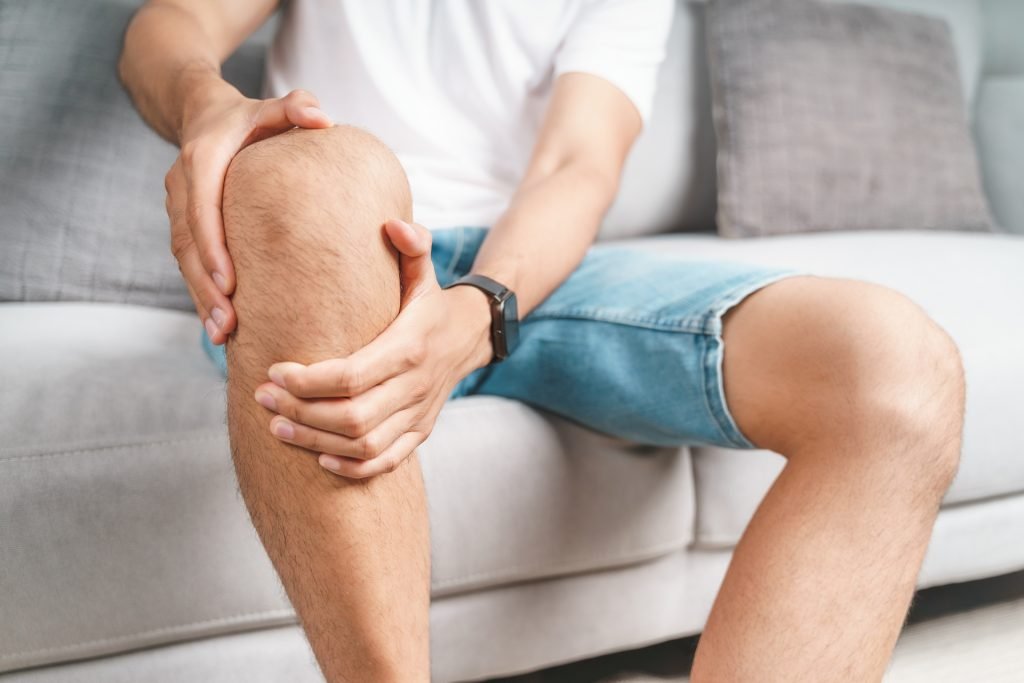
How to Reduce Inflammation in Joints Without Drugs: Natural Remedies and Lifestyle Changes

How to reduce inflammation in joints without drugs decisions improve when you prioritize constraints, tradeoffs, and common mistakes before acting.

Understanding the causes of joint inflammation is crucial. Factors like diet, lifestyle, and stress play significant roles. A typical Western diet high in processed foods, sugars, and unhealthy fats can exacerbate inflammation. Therefore, focusing on whole foods, such as fruits, vegetables, nuts, and fatty fish, is vital for managing inflammation effectively.

Dietary Changes for Joint Health

Adopting an anti-inflammatory diet is one of the most effective ways to reduce joint inflammation. Foods rich in omega-3 fatty acids, such as salmon, walnuts, and flaxseeds, can help combat inflammation. Incorporating plenty of fruits and vegetables, especially berries and leafy greens, provides antioxidants that protect against oxidative stress.

However, it’s essential to avoid foods that can increase inflammation, including refined carbohydrates, fried foods, and excessive alcohol. A common mistake is not being aware of hidden sugars in processed foods, which can also contribute to inflammation. Prioritize whole, unprocessed foods for the best results.

Exercise and Physical Activity

Regular physical activity is crucial for maintaining joint health. Low-impact exercises like swimming, cycling, and walking can help improve flexibility and strength without putting excessive stress on the joints. Engaging in strength training can also support the muscles around the joints, providing better stability.

A common pitfall is overexerting oneself, especially when starting a new exercise routine. It’s crucial to listen to your body and gradually increase activity levels. Aim for at least 150 minutes of moderate exercise weekly while incorporating stretching routines to enhance mobility.

Stress Management Techniques

Chronic stress can exacerbate inflammation in the body. Techniques such as yoga, meditation, and deep-breathing exercises can help reduce stress levels, thereby potentially decreasing inflammation. These practices promote relaxation and can lead to a better overall sense of well-being.

Many people overlook the profound impact of mental health on physical health. Setting aside time for mindfulness or relaxation can significantly improve how your body responds to stress and inflammation. Regular practice is key to reaping the benefits of these techniques.

Importance of Weight Management

Maintaining a healthy weight is essential for reducing inflammation in the joints. Excess weight places additional stress on weight-bearing joints, leading to increased inflammation and pain. Even a modest weight loss of 5-10% can result in significant improvements in joint function and pain relief.

Strategies for weight management include adopting a balanced diet and regular exercise. A common mistake is focusing solely on diet while neglecting physical activity. Both components are crucial for achieving and maintaining a healthy weight.

Further Reading

Authoritative Sources

Frequently Asked Questions

What foods help reduce joint inflammation?

Foods rich in omega-3 fatty acids, such as fatty fish, nuts, and seeds, along with fruits and vegetables, especially berries and leafy greens, help reduce joint inflammation.

Can exercise help with joint inflammation?

Yes, regular low-impact exercises improve flexibility, strengthen muscles around the joints, and can significantly reduce inflammation.

How does stress affect joint inflammation?

Chronic stress can worsen inflammation in the body, making stress management techniques like yoga and meditation beneficial for joint health.

What role does weight play in joint health?

Excess weight adds stress to weight-bearing joints, leading to increased inflammation. Maintaining a healthy weight can alleviate this pressure.

Are there any supplements for joint inflammation?

Some supplements, like glucosamine and chondroitin, may help with joint inflammation, but it’s best to consult a healthcare professional before starting any new supplement.

Conclusion

Reducing inflammation in joints without drugs requires a holistic approach that includes dietary changes, regular exercise, stress management, and weight control. By prioritizing anti-inflammatory foods and maintaining an active lifestyle, one can significantly improve joint health. It’s important to stay consistent and make gradual changes that can lead to long-term benefits. Consult with a healthcare provider for personalized advice and support on your journey to better joint health.

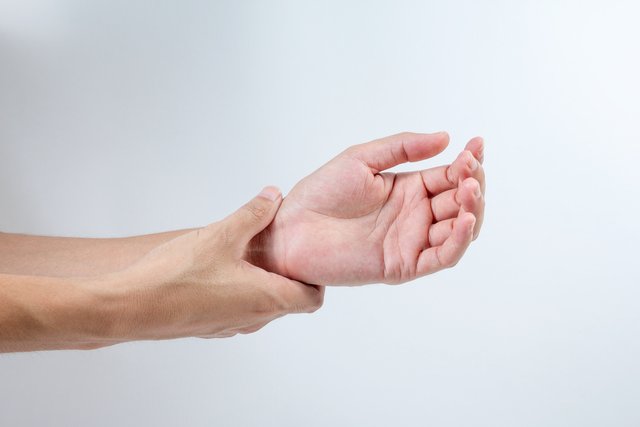
Best Exercises for Joint Pain Relief Without Equipment: Effective Methods to Alleviate Discomfort

Best exercises for joint pain relief without equipment decisions improve when you prioritize constraints, tradeoffs, and common mistakes before acting.

Joint pain can stem from various causes, including arthritis, injuries, or overuse. It’s important to approach exercise carefully, ensuring that movements do not exacerbate existing conditions. Prioritizing low-impact activities allows individuals to stay active while minimizing stress on the joints. Understanding your body’s limits and recognizing any pain signals is crucial in selecting the right exercises.

Gentle Stretches for Joint Relief

Incorporating gentle stretches into your routine can significantly help alleviate joint pain. Stretches like the neck tilt, shoulder stretch, and wrist flexor stretch target specific joints, enhancing flexibility and reducing tension. These movements can be performed in a seated position, making them accessible for individuals with limited mobility.

It’s important to hold each stretch for at least 15-30 seconds and breathe deeply throughout the process. Avoid bouncing or forcing any movements, as this can lead to injury. Regular stretching can improve your range of motion, making daily activities easier and more comfortable.

Mobility Exercises to Enhance Flexibility

Mobility exercises focus on improving the range of motion in joints, which is essential for maintaining joint health. Movements such as ankle circles, hip openers, and torso twists can be beneficial. These exercises help lubricate the joints and improve circulation, which can reduce pain and stiffness.

Integrating mobility exercises into your routine can enhance overall physical performance. Aim for a session of 10-15 minutes a day, focusing on slow, controlled movements. This approach not only helps in pain management but also improves functional movement patterns.

Low-Impact Movements for Joint Health

Engaging in low-impact exercises like walking, swimming, or cycling can provide significant benefits for those experiencing joint pain. These activities promote cardiovascular health without placing excessive strain on the joints. Aim for at least 30 minutes of moderate activity most days of the week.

Listening to your body is essential; if a particular movement causes pain, it may be necessary to modify or replace it with a gentler option. Additionally, consider incorporating strength training with bodyweight exercises, such as squats and lunges, which can further support joint stability.

Common Mistakes to Avoid

When exercising for joint pain relief, several common mistakes can hinder progress. One significant error is neglecting warm-up and cool-down routines, which are crucial for preventing injuries. Additionally, overexertion can lead to increased pain and inflammation, so it’s vital to pace yourself.

Another pitfall is performing exercises without proper form, which can place undue stress on joints. Consider consulting a physical therapist or fitness professional to ensure correct techniques. Finally, be cautious of jumping into high-impact exercises too quickly; gradual progression is key to long-term success.

Further Reading

Authoritative Sources

  • Arthritis Foundation
    arthritis.org

    This resource provides comprehensive information on exercises and therapies for managing arthritis and joint pain

  • National Institutes of Health
    ncbi.nlm.nih.gov

    nih.govOffers research-based insights into effective exercise regimens for joint health and pain management

Frequently Asked Questions

What are the best exercises for joint pain relief?

Gentle stretches, mobility exercises, and low-impact activities like walking or swimming are effective for joint pain relief.

How often should I exercise for joint pain?

Aim for at least 30 minutes of low-impact exercise most days of the week, adjusting based on your comfort level.

Can I do strength training with joint pain?

Yes, bodyweight exercises can strengthen muscles around joints without added strain. Focus on proper form and low resistance.

Is stretching important for joint health?

Absolutely, stretching enhances flexibility and reduces stiffness, which can help alleviate joint discomfort.

What should I avoid when exercising with joint pain?

Avoid high-impact activities, overexertion, and exercises that cause pain. Always prioritize proper form.

How to Support Joint Health as You Age Naturally: Foods and Lifestyle Changes That Make a Difference

How to support joint health as you age naturally decisions improve when you prioritize constraints, tradeoffs, and common mistakes before acting.

As we age, joint health can decline due to factors such as wear and tear, reduced physical activity, and changes in nutrition. Understanding these factors is crucial for making informed choices that promote longevity and mobility. For instance, a sedentary lifestyle can exacerbate joint stiffness and pain, while a balanced diet rich in essential nutrients can help mitigate these issues. Therefore, prioritizing both diet and exercise is key to maintaining joint health.

Nutritional Foundations for Joint Health

A well-rounded diet is fundamental to supporting joint health as you age naturally. Key nutrients include omega-3 fatty acids, antioxidants, and vitamins C and D. These nutrients help reduce inflammation and support cartilage health. Foods rich in omega-3s, such as salmon and walnuts, can significantly lower joint pain and stiffness.

Incorporating a variety of colorful fruits and vegetables can also provide the antioxidants needed to combat oxidative stress in the joints. For example, berries, spinach, and bell peppers are excellent choices. Additionally, ensuring adequate vitamin D levels through sunlight exposure or fortified foods can enhance calcium absorption, crucial for bone health. Balancing nutrient intake is essential; consider working with a nutritionist to tailor your diet to your specific needs.

The Role of Exercise in Joint Maintenance

Regular physical activity is vital for preserving joint health. Engaging in low-impact exercises, such as swimming, cycling, or yoga, can improve flexibility and strengthen the muscles around the joints. This support can alleviate pressure on the joints and reduce pain.

Moreover, weight management through exercise is crucial, as excess weight can increase stress on the joints, particularly in the knees and hips. Aim for a balanced routine that includes strength training, aerobic activities, and stretching to optimize joint function. Remember to consult with a healthcare provider before starting any new exercise program, especially if you have existing joint issues.

Lifestyle Choices That Impact Joint Health

Beyond diet and exercise, lifestyle choices significantly influence joint health. Factors such as smoking and excessive alcohol consumption can exacerbate inflammation and contribute to joint pain. Quitting smoking and moderating alcohol intake can improve overall health and support joint function.

Additionally, managing stress through mindfulness practices, such as meditation or deep-breathing exercises, can help lower inflammation levels in the body. Prioritizing sleep and maintaining a healthy weight are also crucial components of a holistic approach to joint health. Taking these steps can lead to improved mobility and a better quality of life as you age.

Further Reading

Authoritative Sources

Frequently Asked Questions

What foods should I eat for joint health?

Focus on foods rich in omega-3 fatty acids, antioxidants, and vitamins, such as fatty fish, nuts, berries, and leafy greens.

How does exercise benefit joint health?

Exercise helps maintain flexibility, strengthens surrounding muscles, and manages weight, all of which support joint function.

Can weight affect joint health?

Yes, excess weight increases stress on weight-bearing joints, leading to pain and potential damage over time.

What lifestyle changes can improve joint health?

Quit smoking, limit alcohol, manage stress, and ensure adequate sleep to positively impact your joint health.

Is it too late to improve joint health?

No, it’s never too late to adopt healthier habits that can support joint health and improve mobility.

Conclusion

Supporting joint health as you age naturally is achievable through a balanced diet, regular exercise, and mindful lifestyle choices. Prioritize nutrient-rich foods, engage in low-impact activities, and make conscious lifestyle changes to enhance your joint function and overall well-being. By implementing these strategies, you can maintain mobility and quality of life as you grow older. Take proactive steps today to secure a healthier tomorrow.

Why Do Joints Crack and Hurt at the Same Time: Common Causes and Remedies

Why do joints crack and hurt at the same time decisions improve when you prioritize constraints, tradeoffs, and common mistakes before acting.

However, if joint pain accompanies cracking, it may indicate issues such as inflammation, wear and tear, or injury. For instance, conditions like osteoarthritis can lead to joint degeneration, causing both pain and audible cracking as the cartilage deteriorates. Recognizing the signs and symptoms associated with these conditions is crucial for timely intervention and management.

Understanding Joint Cracking

Joint cracking, or crepitus, is a common phenomenon that can occur during movement. This sound is often attributed to the rapid release of gas bubbles in the synovial fluid surrounding the joints. While this is usually harmless, it can sometimes indicate underlying issues when accompanied by pain.

Many people experience joint cracking without any discomfort. However, if the cracking is accompanied by pain, it can lead to concern. It’s essential to differentiate between normal cracking and sounds associated with potential joint problems. Regularly monitoring any changes in frequency or intensity can help identify when to consult a healthcare professional.

Common Causes of Joint Pain and Cracking

Several factors can contribute to both joint cracking and pain. Conditions such as arthritis, tendinitis, or bursitis can cause inflammation in the joints, leading to discomfort and audible sounds during movement. Additionally, repetitive strain or injury to the joint can exacerbate these symptoms.

Furthermore, lifestyle factors such as excessive weight, lack of exercise, or poor posture can increase stress on the joints, resulting in both cracking and pain. Addressing these lifestyle choices can significantly improve joint health and reduce associated symptoms.

When to Seek Medical Attention

If joint cracking is accompanied by significant pain, swelling, or a reduced range of motion, it may be time to seek medical attention. These symptoms could indicate a more serious underlying condition that requires intervention.

Additionally, if the cracking sound changes in frequency or intensity, or if it occurs after an injury, consulting a healthcare provider is advisable. Early diagnosis and treatment can prevent further damage and improve outcomes.

Effective Remedies and Management Strategies

Managing joint pain and cracking often involves a combination of lifestyle changes, physical therapy, and sometimes medication. Regular low-impact exercise can strengthen the muscles surrounding the joints, improving stability and reducing pain. Stretching and flexibility exercises can also help maintain joint function.

In cases of inflammation, over-the-counter anti-inflammatory medications may provide relief. Additionally, maintaining a healthy weight can reduce stress on the joints, potentially alleviating pain and cracking. Always consult with a healthcare professional before starting any new treatment plan.

Further Reading

Authoritative Sources

  • MedlinePlus
    medlineplus.gov

    Consumer-friendly medical and health information from the U.S. National Library of Medicine.

  • National Institutes of Health
    nih.gov

    Research-based health information and links to authoritative medical resources.

  • Centers for Disease Control and Prevention
    cdc.gov

    Official public health guidance, prevention resources, and topic-specific recommendations.

  • Mayo Clinic
    mayoclinic.org

    Trusted clinical guidance, symptom explainers, and treatment overviews.

  • World Health Organization
    who.int

    Global health guidance, fact sheets, and evidence-based public health information.

Frequently Asked Questions

What causes joints to crack?

Joints crack due to gas bubbles in the synovial fluid or when ligaments and tendons move over bones.

Is joint cracking harmful?

Generally, joint cracking is not harmful if not accompanied by pain. However, it can indicate issues like arthritis if associated with discomfort.

How can I reduce joint pain?

To reduce joint pain, maintain a healthy weight, engage in regular exercise, and consider anti-inflammatory medications.

When should I see a doctor for joint pain?

Consult a doctor if you experience severe pain, swelling, or reduced mobility in the joint.

Can diet affect joint health?

Yes, a balanced diet rich in anti-inflammatory foods can support joint health and reduce pain.

Conclusion

Understanding why joints crack and hurt at the same time is crucial for effective management. Recognizing the signs of potential issues and making informed lifestyle choices can greatly improve joint health. If pain persists or worsens, seeking medical advice is essential to ensure proper treatment and prevent further complications.

How to Relieve Hip Joint Pain From Sitting All Day: Effective Stretches and Movement Strategies

How to relieve hip joint pain from sitting all day decisions improve when you prioritize constraints, tradeoffs, and common mistakes before acting.

Prolonged sitting can lead to tight hip flexors and weak glute muscles, contributing to hip pain. It’s essential to recognize that sitting for extended periods compresses the hip joint, which can exacerbate discomfort. Prioritizing movement breaks and specific exercises can mitigate these effects and enhance overall hip health.

Understanding Hip Pain from Prolonged Sitting

Hip pain resulting from extended periods of sitting is primarily caused by tight hip flexors and reduced blood flow to the area. The hip flexors, located at the front of the hip, can become shortened and tense when seated for long durations. This tension can lead to discomfort and a restricted range of motion.

Moreover, sitting compresses the hip joint and may weaken surrounding muscles, particularly the glutes. This weakness can create an imbalance, leading to increased strain on the hip joint. Recognizing these factors is crucial for developing an effective strategy to alleviate discomfort.

Effective Stretches for Hip Relief

Incorporating specific stretches into your routine can help alleviate hip joint pain. Stretches that target the hip flexors, glutes, and surrounding muscles can enhance flexibility and reduce tension.

Consider the following stretches:

  • Pigeon Pose: This yoga pose stretches the hip rotators and flexors, promoting greater hip mobility.
  • Hip Flexor Stretch: A simple lunge position can effectively stretch the hip flexors, alleviating tightness.
  • Figure Four Stretch: This stretch targets the glutes and helps relieve tension in the hip area.

Performing these stretches regularly, especially after long periods of sitting, can significantly reduce hip discomfort.

Movement Strategies to Integrate into Your Day

In addition to stretching, integrating movement into your daily routine is essential for relieving hip joint pain. Regular movement breaks can counteract the negative effects of prolonged sitting.

Here are some practical strategies:

  • Set a Timer: Use a timer to remind yourself to stand up and move every 30-60 minutes.
  • Walking Meetings: Whenever possible, opt for walking meetings instead of sitting in a conference room.
  • Ergonomic Seating: Invest in ergonomic chairs or sit-stand desks to promote better posture and reduce strain on the hips.

Implementing these strategies can enhance circulation and muscle strength, ultimately reducing hip pain.

Common Mistakes to Avoid

When addressing hip joint pain, it’s vital to avoid common pitfalls that can hinder progress. One major mistake is neglecting to stretch or move regularly, which can exacerbate tightness and discomfort.

Another mistake is relying solely on pain relief medications without addressing the underlying causes. While medications can provide temporary relief, they do not address the need for movement and strength building. A balanced approach that includes stretching, strengthening, and regular movement is crucial for long-term relief.

Further Reading

Authoritative Sources

  • Healthline on Hip Pain
    healthline.com

    This resource provides a comprehensive overview of hip pain causes and treatments, valuable for understanding how to relieve hip joint pain from sitting all day

  • Verywell Health: Hip Pain
    verywellhealth.com

    Verywell Health offers insights into the mechanics of hip pain and effective management strategies

  • Mayo Clinic on Hip Pain
    mayoclinic.org

    The Mayo Clinic provides expert information on symptoms and treatment options for hip pain

Frequently Asked Questions

What causes hip joint pain from sitting all day?

Hip joint pain from sitting all day is primarily caused by tight hip flexors and reduced blood flow, which can lead to discomfort and restricted mobility.

How can I relieve hip joint pain quickly?

Quick relief can be achieved through targeted stretching, regular movement breaks, and using ergonomic seating.

Are there specific stretches for hip pain?

Yes, effective stretches include the Pigeon Pose, Hip Flexor Stretch, and Figure Four Stretch.

How often should I take breaks from sitting?

It is recommended to take breaks every 30-60 minutes to stand up and move around.

Can sitting too much lead to long-term hip problems?

Yes, prolonged sitting can lead to chronic hip pain and other musculoskeletal issues if not addressed with movement and strengthening exercises.

Conclusion

To effectively relieve hip joint pain from sitting all day, it’s crucial to adopt a proactive approach that includes regular stretching, movement, and ergonomic adjustments. Prioritize incorporating specific stretches into your daily routine and ensure you take frequent breaks to stand and move. By addressing the underlying causes of discomfort, you can enhance your mobility and overall hip health, leading to a more comfortable daily experience.

What Causes Joint Pain After Starting a New Workout: Common Triggers and Solutions

What causes joint pain after starting a new workout decisions improve when you prioritize constraints, tradeoffs, and common mistakes before acting.

Many individuals who initiate a new workout program may push their bodies too hard too quickly. This can cause micro-tears in the muscles and connective tissues surrounding the joints, leading to discomfort and pain. Additionally, using incorrect techniques or not properly preparing the body through warm-ups can exacerbate these issues. It’s essential to recognize these common pitfalls to adjust your approach effectively.

Overexertion and Its Effects

Overexertion is one of the primary causes of joint pain when starting a new workout. This occurs when individuals engage in exercise that exceeds their current fitness level, leading to physical stress on the joints. The body may not be adequately conditioned to handle the intensity, resulting in pain and inflammation.

To mitigate the risk of overexertion, it’s crucial to gradually increase workout intensity. Begin with lower weights or easier exercises and progressively challenge yourself. Listen to your body; if you experience pain, consider reducing the intensity or taking additional rest days.

Importance of Proper Form

Using improper form during exercises can significantly increase the risk of joint pain. Incorrect alignment or movement patterns can place undue stress on the joints, leading to injuries. For instance, squatting with knees that extend beyond the toes can strain the knees, while poor posture during lifting can affect the back and shoulders.

To ensure proper form, consider working with a trainer or watching instructional videos. Focus on mastering basic movements before progressing to more complex exercises. Regularly check your technique, as even small adjustments can prevent pain and injury.

The Role of Warm-Ups

Inadequate warm-ups can also lead to joint pain after initiating a new workout. Warm-ups prepare the body for physical activity by increasing blood flow to the muscles and enhancing joint mobility. Skipping this crucial step can result in stiffness and increased susceptibility to injuries.

Incorporate dynamic stretches and light aerobic activities into your warm-up routine. Aim for at least 5-10 minutes of warming up to ensure your joints and muscles are ready for more strenuous activity. This practice can significantly reduce the likelihood of pain and injuries.

Further Reading

Authoritative Sources

  • Exercise and Joint Pain
    ncbi.nlm.nih.gov

    This article discusses the relationship between exercise and joint health, providing insights into safe practices for new workouts

Frequently Asked Questions

What should I do if I experience joint pain after a workout?

Rest the affected joint, apply ice, and consider over-the-counter pain relief. If pain persists, consult a healthcare professional.

Can I continue exercising with joint pain?

It’s advisable to stop the activity that caused the pain and allow for recovery. Modify your routine to focus on low-impact exercises.

How long does joint pain usually last after starting a new workout?

Joint pain duration varies; it can last a few days to weeks depending on the cause and severity. Persistent pain should be evaluated by a professional.

Are there specific exercises to avoid with joint pain?

Avoid high-impact activities like running or jumping if you have joint pain. Focus on low-impact exercises like swimming or cycling instead.

How can I prevent joint pain when starting a new workout?

Gradually increase workout intensity, prioritize proper form, and ensure adequate warm-ups to minimize the risk of joint pain.

Conclusion

Understanding the causes of joint pain after starting a new workout is crucial for maintaining a healthy and effective exercise routine. Prioritize gradual progression, focus on proper form, and always include warm-ups. By being mindful of these factors, you can enjoy your workouts while minimizing discomfort and injury risks. If pain persists, seeking professional advice is essential to ensure you remain active safely.

How to Fix Stiff Joints in the Morning Naturally: Effective Foods and Daily Practices

How to fix stiff joints in the morning naturally decisions improve when you prioritize constraints, tradeoffs, and common mistakes before acting.

Common causes of morning stiffness include inflammation, dehydration, and prolonged inactivity during sleep. To combat this, it’s important to focus on your diet, hydration, and light physical activity. Integrating specific foods known for their anti-inflammatory properties, along with a morning routine that includes gentle stretching, can alleviate stiffness and enhance your overall joint health.

Anti-Inflammatory Foods for Joint Health

Incorporating specific anti-inflammatory foods into your diet can help reduce joint stiffness. Foods like fatty fish, nuts, seeds, and colorful fruits and vegetables are known to combat inflammation. For instance, omega-3 fatty acids found in salmon and walnuts can significantly decrease joint pain and stiffness.

Prioritize meals that include these foods, particularly at breakfast. A smoothie with spinach, berries, and flaxseeds or oatmeal topped with walnuts and a sprinkle of turmeric can provide essential nutrients to support joint health. Avoid processed foods high in sugar and trans fats, as they can exacerbate inflammation.

Morning Stretching Techniques

Gentle stretching exercises in the morning can significantly improve flexibility and reduce stiffness. Focus on stretches that target the major joints, such as the hips, knees, and shoulders. Simple movements like neck rolls, arm circles, and gentle leg stretches can warm up the muscles and joints.

Consider dedicating 5-10 minutes each morning to a light stretching routine. This not only helps alleviate stiffness but also prepares your body for the day ahead. Yoga poses such as cat-cow and child’s pose can be particularly beneficial for increasing mobility and reducing tension.

Hydration and Its Role in Joint Mobility

Staying hydrated is crucial for maintaining joint lubrication. Dehydration can lead to increased stiffness and discomfort, particularly in the morning after several hours without water. Aim to drink a glass of water upon waking to kickstart hydration.

Additionally, consider incorporating herbal teas or infused water with lemon and ginger, which not only hydrates but also provides anti-inflammatory benefits. Regularly drinking water throughout the day can help keep your joints functioning optimally.

Lifestyle Changes to Prevent Stiffness

Incorporating lifestyle changes can help prevent morning stiffness over time. Regular physical activity, maintaining a healthy weight, and ensuring adequate sleep are essential factors in joint health. Activities like walking, swimming, or cycling can enhance joint function and reduce stiffness.

Additionally, consider adjusting your sleeping position and using supportive pillows to maintain proper alignment. This can help reduce strain on your joints during the night, leading to less stiffness in the morning.

Further Reading

Authoritative Sources

Frequently Asked Questions

What can I eat to reduce morning joint stiffness?

Incorporate anti-inflammatory foods like fatty fish, nuts, berries, and leafy greens into your diet to help reduce stiffness.

Are there specific stretches to alleviate joint stiffness?

Yes, gentle stretches targeting the neck, shoulders, hips, and knees can help alleviate stiffness and improve mobility.

How important is hydration for joint health?

Hydration is crucial for joint lubrication; drinking water regularly helps prevent stiffness and discomfort.

What lifestyle changes can help prevent stiffness?

Regular exercise, maintaining a healthy weight, and ensuring proper sleep can help prevent morning stiffness.

Is yoga beneficial for joint stiffness?

Yes, yoga can improve flexibility and reduce stiffness through gentle stretches and poses designed for joint health.

Conclusion

Fixing stiff joints in the morning naturally involves a combination of dietary choices, hydration, and gentle physical activity. Focus on incorporating anti-inflammatory foods into your meals, staying hydrated, and dedicating time to stretching each morning. These practices can enhance your joint mobility and overall comfort, allowing you to start your day on a positive note.

Best Foods to Eat for Joint Pain Relief and Recovery: Nutrient-Rich Options That Promote Healing

Best foods to eat for joint pain relief and recovery decisions improve when you prioritize constraints, tradeoffs, and common mistakes before acting.

Understanding the role of nutrition in managing joint pain is crucial. Many people overlook how dietary choices can impact inflammation levels in the body. Foods high in sugar and refined carbohydrates can exacerbate inflammation, while those rich in healthy fats and antioxidants can help mitigate it. Prioritizing the right foods not only aids in pain relief but also supports recovery, enhancing overall well-being.

Fatty Fish: A Key Player in Joint Health

Fatty fish, such as salmon, mackerel, and sardines, are excellent sources of omega-3 fatty acids, which have been shown to reduce inflammation. Omega-3s work by inhibiting the production of inflammatory molecules, thus helping to alleviate joint pain.

Incorporating fatty fish into your diet can be an effective strategy for managing joint discomfort. Aim for at least two servings per week. If you’re not a fan of fish, consider omega-3 supplements, but consult with a healthcare provider first. Additionally, balancing fish intake with other sources of protein will ensure a varied diet.

Fruits and Vegetables: Nature’s Anti-Inflammatories

Fruits and vegetables are packed with vitamins, minerals, and antioxidants that play a vital role in combating inflammation. Berries, cherries, spinach, and kale are particularly beneficial due to their high antioxidant content.

To maximize the anti-inflammatory effects, focus on a colorful variety of fruits and vegetables. This approach not only provides a broader range of nutrients but also enhances the overall flavor of meals. Smoothies, salads, and stir-fries can be great ways to incorporate these foods into your daily routine.

Nuts and Seeds: Small But Mighty

Nuts and seeds, such as walnuts, almonds, chia seeds, and flaxseeds, are rich in healthy fats, fiber, and protein. Their omega-3 fatty acid content also contributes to reducing inflammation and supporting joint health.

Including a handful of nuts or a sprinkle of seeds in your meals can boost nutrition without adding excessive calories. They make for excellent snacks and can be easily added to yogurt, oatmeal, or salads. However, moderation is key, as they are calorie-dense.

Whole Grains: Fueling Recovery

Whole grains like brown rice, quinoa, and whole wheat bread provide essential nutrients and fiber that support overall health. They help regulate blood sugar levels and reduce inflammation, which is crucial for those suffering from joint pain.

Switching from refined grains to whole grains can be a simple yet effective dietary change. Look for whole grain options in breads, pastas, and cereals to ensure you’re getting the most benefit. Pairing whole grains with lean proteins and vegetables will create balanced meals that promote recovery.

Further Reading

Authoritative Sources

Frequently Asked Questions

What are the best foods for joint pain relief?

Fatty fish, fruits, vegetables, nuts, and whole grains are among the best foods for joint pain relief due to their anti-inflammatory properties.

How can diet affect joint pain?

A diet high in processed foods and sugars can increase inflammation, worsening joint pain, while anti-inflammatory foods can help alleviate it.

Are there specific fruits that help with joint pain?

Berries, cherries, and citrus fruits are particularly beneficial due to their high antioxidant content, which helps reduce inflammation.

Can I take supplements for joint pain?

Yes, omega-3 supplements can be beneficial, but it’s best to consult with a healthcare provider before starting any new supplement regimen.

How often should I eat fatty fish for joint health?

Aim for at least two servings of fatty fish per week to obtain the necessary omega-3 fatty acids for joint health.

Conclusion

Incorporating the right foods into your diet can significantly impact joint pain relief and recovery. Focus on nutrient-dense options like fatty fish, fruits, vegetables, nuts, and whole grains to combat inflammation and support healing. By making conscious dietary choices, you can improve your overall joint health and enhance your quality of life. Prioritize variety and balance in your meals for optimal benefits.

How to Strengthen Weak Joints Without Heavy Exercise: Effective Methods and Everyday Practices

How to strengthen weak joints without heavy exercise decisions improve when you prioritize constraints, tradeoffs, and common mistakes before acting.

Understanding the common pitfalls is crucial. Many assume that only high-intensity workouts can lead to joint strength, but this is not the case. Low-impact exercises can be just as effective, especially when combined with proper nutrition and hydration. Prioritizing consistency over intensity is essential for long-term joint health and functionality.

Low-Impact Exercises for Joint Strength

Low-impact exercises are ideal for strengthening weak joints as they reduce stress while promoting mobility. Activities such as swimming, cycling, and walking allow for joint movement without the risk of injury associated with heavy exercises. These activities can improve circulation around the joints, enhancing nutrient delivery and waste removal.

It’s essential to integrate strength training into your routine. Consider using resistance bands or light weights to perform exercises targeting the muscles around your joints. For instance, leg lifts, arm raises, and gentle squats can effectively build strength without heavy strain. Aim for consistency, gradually increasing the intensity as your joints become stronger.

Nutrition for Joint Health

Nutrition plays a pivotal role in joint health. Consuming a balanced diet rich in omega-3 fatty acids, antioxidants, and anti-inflammatory foods can significantly benefit joint strength. Foods like fatty fish, nuts, seeds, and leafy greens should be staples in your diet.

Stay hydrated as well; proper hydration helps maintain joint lubrication. Additionally, consider limiting processed foods and sugars that can contribute to inflammation. By prioritizing nutrition, you create a supportive environment for your joints to strengthen.

Incorporating Flexibility and Balance

Flexibility and balance exercises are crucial for joint stability. Practices such as yoga and tai chi not only enhance flexibility but also improve overall balance, reducing the risk of falls and injuries. These exercises promote joint mobility and ensure that the surrounding muscles are adequately conditioned.

Including regular stretching routines can also enhance your range of motion. Stretching helps maintain muscle elasticity and joint flexibility, which are vital for joint health. Focus on gentle stretches that target all major muscle groups, holding each stretch for 15-30 seconds.

Common Mistakes to Avoid

One common mistake is neglecting the importance of rest and recovery. Overworking your joints, even with low-impact exercises, can lead to injuries. Listen to your body, and allow adequate rest days in your routine. Another mistake is failing to warm up properly before exercising, which can lead to strains or sprains.

Avoiding exercises that cause pain is also critical. If something doesn’t feel right, it’s essential to modify the activity or seek professional advice. Prioritizing proper form over quantity is key to preventing injuries and ensuring effective joint strengthening.

Further Reading

Authoritative Sources

  • Arthritis Foundation
    arthritis.org

    This resource provides comprehensive information on joint health and exercises suitable for individuals with joint concerns

  • National Center for Biotechnology Information
    ncbi.nlm.nih.gov

    A reliable source for research articles on joint health and related nutrition

  • WebMD
    webmd.com

    Offers health information and advice on maintaining joint health through lifestyle changes

  • Mayo Clinic
    mayoclinic.org

    Provides expert advice on exercises and treatments for joint pain and health

Frequently Asked Questions

What exercises are best for strengthening weak joints?

Low-impact exercises such as swimming, walking, and resistance training with light weights are effective for strengthening weak joints.

How can diet impact joint health?

A diet rich in omega-3 fatty acids, antioxidants, and anti-inflammatory foods supports joint health and reduces inflammation.

Is it safe to exercise with joint pain?

It is essential to listen to your body; if the pain worsens, modify the activity or consult a healthcare professional.

How often should I exercise to strengthen my joints?

Aim for at least 150 minutes of moderate exercise per week, incorporating strength training exercises at least twice a week.

What are common mistakes to avoid while exercising?

Common mistakes include neglecting warm-ups, overtraining, and not allowing adequate rest for recovery.

Conclusion

Strengthening weak joints without heavy exercise is achievable through a combination of low-impact activities, proper nutrition, and flexibility training. Prioritize consistency and listen to your body to avoid injuries. Incorporating these practices into your routine can lead to significant improvements in joint strength and overall health. Start with gentle exercises and gradually build up your strength to ensure lasting benefits.

Why Does Joint Pain Get Worse During Cold Weather: Understanding Causes and Effective Management Strategies

Why does joint pain get worse during cold weather decisions improve when you prioritize constraints, tradeoffs, and common mistakes before acting.

Understanding the mechanisms behind this phenomenon is crucial for effective management. Cold weather can cause muscles and ligaments to tighten, leading to reduced joint flexibility and increased pain. Additionally, the body’s response to lower temperatures can result in decreased circulation, which can exacerbate inflammation and discomfort in affected areas. Recognizing these factors can help individuals take proactive steps to mitigate joint pain during colder months.

The Impact of Cold Weather on Joint Health

Cold weather can significantly impact joint health, leading to increased stiffness and pain. The drop in temperature causes the muscles, ligaments, and tendons surrounding the joints to contract, which can limit mobility and exacerbate discomfort. Additionally, changes in barometric pressure may lead to fluid shifts in the joints, contributing to inflammation.

Individuals with conditions like osteoarthritis may find that their symptoms worsen in winter months. It is important to be aware of these changes and to adapt one’s lifestyle accordingly. Engaging in gentle warm-up exercises before exposure to cold can help maintain flexibility and reduce pain.

Practical Management Strategies for Cold Weather Joint Pain

To effectively manage joint pain during cold weather, consider implementing specific strategies. Dressing in layers can help maintain body warmth, reducing stiffness in the joints. Regular physical activity, particularly low-impact exercises like swimming or cycling, can also alleviate symptoms by improving circulation and flexibility.

Other helpful measures include using heat therapy, such as heating pads or warm baths, to soothe aching joints. Staying hydrated is equally essential, as proper hydration can support joint lubrication. If you notice persistent pain, consider discussing with a healthcare professional about potential supplements or medications that may assist in managing your symptoms.

Common Mistakes to Avoid

Many individuals unknowingly make mistakes that can worsen joint pain in cold weather. One common mistake is neglecting physical activity due to fear of aggravating pain. Instead, a balanced approach that includes regular movement can help maintain joint health.

Another pitfall is relying solely on over-the-counter pain medications without considering lifestyle adjustments. It’s important to address the underlying causes of discomfort rather than just masking the symptoms. Additionally, avoid sudden exposure to cold environments without adequate protection, as this can trigger or intensify pain.

When to Seek Professional Help

If joint pain becomes severe or debilitating during cold weather, it may be time to seek professional help. A healthcare provider can evaluate your condition and recommend appropriate treatments or therapies tailored to your needs.

Signs that warrant a visit to a doctor include significant swelling, persistent pain despite home management strategies, or difficulty performing daily activities. Early intervention can prevent further complications and improve overall joint health.

Further Reading

Authoritative Sources

  • MedlinePlus
    medlineplus.gov

    Consumer-friendly medical and health information from the U.S. National Library of Medicine.

  • National Institutes of Health
    nih.gov

    Research-based health information and links to authoritative medical resources.

  • Centers for Disease Control and Prevention
    cdc.gov

    Official public health guidance, prevention resources, and topic-specific recommendations.

  • Mayo Clinic
    mayoclinic.org

    Trusted clinical guidance, symptom explainers, and treatment overviews.

  • World Health Organization
    who.int

    Global health guidance, fact sheets, and evidence-based public health information.

Frequently Asked Questions

Why does cold weather affect my joints?

Cold weather can lead to muscle tightening and decreased blood flow, resulting in increased joint pain and stiffness.

What can I do to relieve joint pain in winter?

Dress warmly, stay active with low-impact exercises, and use heat therapy to alleviate joint discomfort.

Is it normal for joint pain to worsen in the winter?

Yes, many individuals experience increased joint pain during colder months due to physiological changes.

Should I avoid exercise when my joints hurt in the cold?

Not necessarily. Gentle, low-impact exercises can help maintain flexibility and reduce discomfort.

When should I see a doctor about joint pain?

If you experience severe pain, swelling, or difficulty with daily activities, consult a healthcare professional.

Exit mobile version