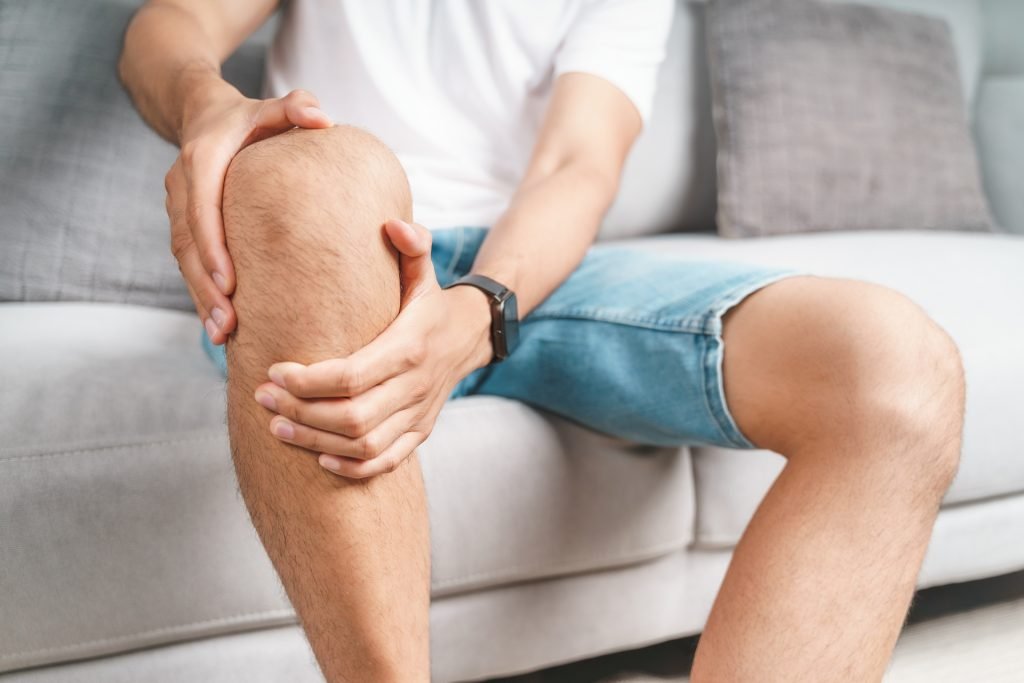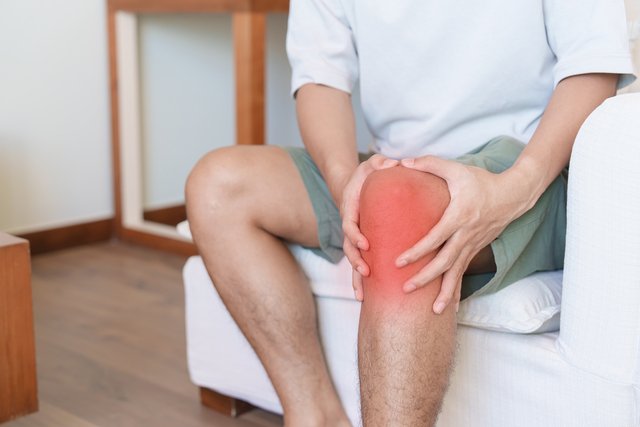
Why Do My Joints Feel Stiff After Long Periods Sitting: Common Causes and Effective Solutions

Why do my joints feel stiff after long periods sitting decisions improve when you prioritize constraints, tradeoffs, and common mistakes before acting.

Prolonged periods of inactivity, such as sitting at a desk or during long travel, can significantly impact joint function. When the body remains stationary, the synovial fluid that lubricates joints may not circulate adequately, leading to stiffness. Additionally, muscles surrounding the joints can become tense, contributing to the sensation of tightness. Understanding these dynamics is crucial for addressing stiffness effectively.

Causes of Joint Stiffness After Sitting

Joint stiffness after sitting is often caused by a combination of factors, including lack of movement and prolonged pressure on certain joints. When you sit for extended periods, particularly in a position that may not support good posture, it can compress the joints and lead to discomfort. The inactivity reduces blood flow, which is essential for delivering nutrients and removing waste from the joint tissues.

Moreover, sitting can lead to muscle imbalances, especially if the hip flexors and hamstrings become tight. These imbalances can alter your natural movement patterns, exacerbating stiffness. To combat this, it’s essential to incorporate movement into your routine, even if it’s just standing up and stretching every hour.

Effective Strategies to Reduce Stiffness

To alleviate joint stiffness, integrating regular movement into your day is key. Simple actions like standing up, walking around, and stretching can significantly improve circulation and flexibility. Consider setting a timer to remind yourself to take short breaks every 30 to 60 minutes.

Additionally, incorporating specific stretches targeting the hips, back, and legs can help maintain mobility. For example, standing quad stretches or seated hamstring stretches can relieve tension and promote better joint health. Consider practicing yoga or Pilates, which focus on flexibility and core strength, further aiding in reducing stiffness.

The Role of Proper Posture

Maintaining proper posture while sitting is crucial for preventing joint stiffness. Poor posture can lead to excessive strain on certain joints, particularly the hips, knees, and lower back. Ensure your workstation is ergonomically designed, with your feet flat on the ground and your knees at a right angle.

Adjusting your chair height and using lumbar support can also help maintain spinal alignment, reducing the risk of stiffness. Regularly reassessing your seating position and making adjustments as needed can contribute significantly to joint comfort.

When to Seek Medical Advice

If joint stiffness persists despite making lifestyle changes, it may be wise to consult a healthcare professional. Chronic stiffness could indicate underlying conditions such as arthritis or tendinitis, which require specific treatment. Early intervention can prevent further joint damage and improve overall mobility.

Monitoring other symptoms, such as swelling, pain, or reduced range of motion, can provide important context for your healthcare provider. Keeping a journal of your symptoms and activities can facilitate more productive discussions during medical appointments.

Further Reading

Authoritative Sources

  • MedlinePlus
    medlineplus.gov

    Consumer-friendly medical and health information from the U.S. National Library of Medicine.

  • National Institutes of Health
    nih.gov

    Research-based health information and links to authoritative medical resources.

  • Centers for Disease Control and Prevention
    cdc.gov

    Official public health guidance, prevention resources, and topic-specific recommendations.

  • Mayo Clinic
    mayoclinic.org

    Trusted clinical guidance, symptom explainers, and treatment overviews.

  • World Health Organization
    who.int

    Global health guidance, fact sheets, and evidence-based public health information.

Frequently Asked Questions

What can I do to relieve joint stiffness after sitting?

To relieve joint stiffness, try standing up, stretching, and walking around every hour. Incorporating regular exercise and specific joint stretches can also help.

Is joint stiffness after sitting a sign of arthritis?

While joint stiffness can be a symptom of arthritis, it can also be caused by inactivity. If stiffness is persistent or accompanied by pain, consult a healthcare professional.

How often should I stretch to prevent stiffness?

Stretching every hour during long periods of sitting is recommended. Incorporating a routine of daily stretches can also enhance flexibility and reduce stiffness.

Can posture affect joint stiffness?

Yes, poor posture can lead to joint stiffness by placing undue strain on specific joints. Maintaining proper posture is essential for joint health.

When should I see a doctor for joint stiffness?

If joint stiffness persists or worsens despite lifestyle changes, or if it’s accompanied by swelling or severe pain, seek medical advice.

Conclusion

In conclusion, understanding why your joints feel stiff after long periods of sitting is vital for effective management. Incorporating regular movement, maintaining good posture, and addressing any underlying issues are crucial steps. By prioritizing these strategies, you can enhance your joint health and overall mobility, reducing discomfort and improving your quality of life.
How to Improve Joint Flexibility Without Stretching Routines: Effective Daily Practices and Activities

How to improve joint flexibility without stretching routines decisions improve when you prioritize constraints, tradeoffs, and common mistakes before acting.

Many individuals mistakenly believe that traditional stretching is the only way to enhance joint flexibility. However, incorporating dynamic movements and strength-building exercises can be equally beneficial. These methods not only improve flexibility but also strengthen the surrounding muscles, which support joint health and stability. Engaging in activities that promote mobility can yield better long-term results than static stretching alone.

The Role of Mobility Exercises

Mobility exercises focus on the active movement of joints through their full range of motion. These exercises are crucial for improving flexibility without conventional stretching. Activities such as hip circles, shoulder rolls, and ankle pumps help to lubricate the joints and enhance their functional capacity.

Including mobility exercises in your daily routine can lead to significant improvements in joint flexibility. Unlike static stretches, mobility work encourages dynamic movement patterns that mimic daily activities. This not only prepares the joints for movement but also reduces the risk of injury by promoting better movement mechanics.

Incorporating Strength Training

Strength training is often overlooked as a means to improve joint flexibility. By building strength in the muscles surrounding the joints, individuals can enhance stability and support, which ultimately contributes to greater flexibility. Exercises like squats, lunges, and resistance band workouts can be particularly effective.

When strength training is performed through a full range of motion, it can lead to improved flexibility. This is because the muscles and connective tissues become more adaptable to various movements, allowing for a greater range of motion. Additionally, stronger muscles can better support joints, reducing the likelihood of injuries that may limit flexibility.

The Benefits of Yoga and Tai Chi

Yoga and tai chi are both excellent practices for enhancing joint flexibility without traditional stretching routines. These disciplines emphasize controlled movements, balance, and breath, which can improve flexibility while also promoting relaxation and mental well-being.

Incorporating yoga or tai chi into your weekly routine can yield substantial benefits. These practices not only improve flexibility but also enhance overall body awareness, allowing individuals to move more efficiently and with less discomfort. Regular participation can lead to long-term improvements in joint health and flexibility.

Daily Habits for Joint Flexibility

Adopting specific daily habits can significantly enhance joint flexibility. Simple actions, such as taking regular breaks to move, using proper ergonomics while sitting, and staying hydrated can all contribute to better joint health.

Additionally, engaging in activities like walking or cycling can encourage joint movement and flexibility. Prioritizing a balanced diet rich in anti-inflammatory foods, such as fatty fish, nuts, and leafy greens, can also support joint health. These daily practices create a foundation for improved flexibility, making it easier to perform everyday tasks without stiffness or discomfort.

Further Reading

Authoritative Sources

Frequently Asked Questions

Can I improve joint flexibility without stretching?

Yes, engaging in mobility exercises, strength training, and practices like yoga and tai chi can improve joint flexibility without traditional stretching.

What are mobility exercises?

Mobility exercises are movements that promote the active use of joints through their full range of motion, enhancing flexibility and joint function.

How does strength training help flexibility?

Strength training improves flexibility by building strength in the muscles surrounding joints, which helps to stabilize them and allows for greater movement range.

What types of yoga are best for joint flexibility?

Gentle forms of yoga, such as Hatha or Yin yoga, are particularly effective for improving joint flexibility due to their focus on slow, controlled movements.

How often should I practice these activities?

It is beneficial to engage in mobility exercises, strength training, or yoga at least 2-3 times a week for optimal joint flexibility.

Conclusion

To enhance joint flexibility without traditional stretching, focus on incorporating mobility exercises, strength training, and practices like yoga and tai chi into your routine. These activities not only improve flexibility but also strengthen the muscles around the joints, promoting better stability and overall joint health. Prioritizing daily habits that encourage movement and proper nutrition will also contribute to long-term flexibility gains. Start integrating these practices today for improved mobility and reduced discomfort.

Best Joint Pain Relief Methods for People Over 50: Effective Natural Remedies and Lifestyle Changes

Best joint pain relief methods for people over 50 decisions improve when you prioritize constraints, tradeoffs, and common mistakes before acting.

Understanding the unique challenges faced by those over 50 is essential for effective joint pain management. Age-related wear and tear, along with conditions like arthritis, can exacerbate joint issues. Therefore, adopting a holistic approach that encompasses dietary changes, physical activity, and lifestyle modifications is crucial. Prioritizing these methods can lead to significant improvements in mobility and quality of life.

Natural Remedies for Joint Pain Relief

Natural remedies can be highly effective in managing joint pain. Ingredients like turmeric and ginger have anti-inflammatory properties that can reduce swelling and pain. Additionally, supplements such as glucosamine and chondroitin may contribute to joint health.

When considering natural remedies, it’s important to consult with a healthcare professional to ensure they do not interfere with any medications. Moreover, consistency is key—integrating these remedies into daily routines can yield better long-term results. For example, incorporating turmeric into meals or taking fish oil supplements can gradually improve joint function.

Importance of Diet and Nutrition

A balanced diet plays a significant role in joint health. Foods rich in antioxidants, such as berries, leafy greens, and nuts, can help combat inflammation. Omega-3 fatty acids, found in fish and flaxseeds, are particularly beneficial for reducing joint pain.

Smart dietary choices can also assist in weight management, which is crucial since excess weight places additional strain on joints. It’s advisable to limit processed foods and sugar, as they can contribute to inflammation. A practical approach is to create meal plans that focus on whole foods, emphasizing lean proteins, healthy fats, and plenty of fruits and vegetables.

Exercise and Physical Activity

Regular physical activity is vital for maintaining joint flexibility and strength. Low-impact exercises such as swimming, walking, and cycling are excellent options for those over 50, as they minimize stress on the joints while promoting mobility.

Incorporating strength training into the weekly routine can also provide significant benefits. This can be achieved through bodyweight exercises or resistance bands, which help build muscle support around the joints. It’s crucial to start slowly and gradually increase intensity, ensuring that exercises are performed with proper form to avoid injury.

Lifestyle Changes to Consider

Beyond diet and exercise, certain lifestyle changes can enhance joint health. Maintaining hydration is essential, as proper fluid intake helps lubricate joints. Additionally, practicing stress-reduction techniques such as yoga or meditation can alleviate tension that exacerbates pain.

Sleep quality is another factor that should not be overlooked; insufficient rest can increase sensitivity to pain. Establishing a regular sleep schedule and creating a restful environment can improve overall well-being. Engaging in social activities and hobbies can also provide emotional support, further benefiting joint health.

Further Reading

Authoritative Sources

  • Arthritis Foundation
    arthritis.org

    This resource offers comprehensive information on arthritis management and joint health, tailored for individuals over 50

  • National Institutes of Health
    ncbi.nlm.nih.gov

    Find research-based insights on joint pain and effective treatment options

Frequently Asked Questions

What are the best natural remedies for joint pain?

Turmeric, ginger, and omega-3 fatty acids are among the top natural remedies for reducing joint pain.

How does diet affect joint health?

A diet rich in antioxidants and omega-3 fatty acids can help decrease inflammation and improve joint function.

What types of exercises are safe for seniors with joint pain?

Low-impact exercises like swimming, walking, and cycling are safe and effective for seniors managing joint pain.

How important is weight management for joint health?

Maintaining a healthy weight is critical, as excess weight increases stress on the joints, worsening pain and discomfort.

What lifestyle changes can help with joint pain?

Staying hydrated, getting enough sleep, and practicing stress-reduction techniques can significantly improve joint health.

Conclusion

In conclusion, effectively managing joint pain for those over 50 requires a multifaceted approach that includes natural remedies, dietary considerations, regular exercise, and lifestyle changes. Prioritizing these methods can lead to improved mobility and enhanced quality of life. It’s essential to consult with healthcare professionals to tailor these strategies to individual needs and circumstances, ensuring the best outcomes for joint health.

How to Relieve Wrist Joint Pain From Computer Use: Effective Exercises and Ergonomic Strategies

How to relieve wrist joint pain from computer use decisions improve when you prioritize constraints, tradeoffs, and common mistakes before acting.

Wrist pain from prolonged computer use often stems from poor ergonomics, repetitive motion, and static positions. Many people overlook the importance of proper wrist positioning and the need for regular movement, leading to strain and discomfort. Adjusting your chair height, using wrist supports, and ensuring a neutral wrist position can significantly impact your comfort level during long working hours. Additionally, integrating exercises that strengthen and stretch the wrist can further enhance relief.

Understanding the Causes of Wrist Pain

Wrist pain from computer use is primarily caused by repetitive strain, poor posture, and prolonged static positions. The tendons and ligaments in the wrist can become inflamed due to constant typing or mouse usage without adequate breaks. This can lead to conditions such as carpal tunnel syndrome or tendonitis. Recognizing these causes is crucial for preventing further injury and managing existing pain.

Many people tend to ignore early signs of discomfort, attributing it to fatigue. However, this can lead to chronic issues if not addressed promptly. Evaluating how often you experience pain and its intensity can help identify whether your workspace needs adjustments or if specific exercises are necessary to counteract strain.

Ergonomic Adjustments to Your Workspace

Creating an ergonomic workspace is vital for preventing wrist pain. Ensure your chair and desk height allow for a neutral wrist position, where your wrists are straight and not bent upwards or downwards while typing. A keyboard tray can be beneficial in achieving this position.

Using wrist supports or ergonomic keyboards designed to promote a natural wrist posture can also provide relief. Additionally, consider the placement of your mouse, which should be close enough to avoid stretching your arm. These adjustments can significantly reduce strain during long hours of computer work.

Effective Wrist Exercises

Incorporating wrist exercises into your routine is essential for relieving pain and preventing injury. Simple stretches, such as wrist flexor and extensor stretches, can improve flexibility and strength. For wrist flexor stretches, extend your arm and gently pull back on your fingers with the opposite hand, holding for 15-30 seconds.

Additionally, performing wrist curls and reverse wrist curls can strengthen the muscles around the wrist. Start with light weights and gradually increase as your strength improves. Consistency in these exercises can lead to significant pain relief and enhanced wrist function over time.

Implementing Breaks and Movement

Taking regular breaks is crucial in managing wrist pain. The 20-20-20 rule, which suggests taking a 20-second break to look at something 20 feet away every 20 minutes, can help alleviate eye strain and remind you to stretch your wrists. During these breaks, perform simple wrist rotations or shake out your hands to reduce tension.

Incorporating movement into your day is equally important. Stand up, walk around, or do a quick stretch to keep your body engaged and prevent stiffness. By prioritizing breaks and movement, you can significantly reduce the risk of developing chronic wrist pain.

Further Reading

Authoritative Sources

Frequently Asked Questions

What are the common symptoms of wrist pain from computer use?

Common symptoms include aching, stiffness, and swelling in the wrist, as well as tingling or numbness in the fingers.

How often should I take breaks while using the computer?

It’s recommended to take a break every 20-30 minutes to stretch and rest your wrists.

What ergonomic tools can help relieve wrist pain?

Wrist supports, ergonomic keyboards, and adjustable chairs can help promote proper wrist positioning and reduce strain.

Are there specific exercises for relieving wrist pain?

Yes, wrist flexor and extensor stretches, wrist curls, and reverse wrist curls are effective exercises for relieving pain.

When should I see a doctor for wrist pain?

If your wrist pain persists despite self-care measures, or if you experience severe symptoms, it’s important to consult a healthcare professional.

Conclusion

Managing wrist joint pain from computer use requires a multifaceted approach that includes ergonomic adjustments, regular breaks, and targeted exercises. By prioritizing these strategies, you can alleviate discomfort and prevent the progression of pain over time. Remember to listen to your body and make changes as needed to maintain a healthy and productive workspace.

What Causes Joint Stiffness After Waking Up in Morning: Common Causes and Remedies

What causes joint stiffness after waking up in morning decisions improve when you prioritize constraints, tradeoffs, and common mistakes before acting.

Understanding the underlying causes of morning joint stiffness is crucial for managing and mitigating symptoms. Many individuals assume that stiffness is a natural part of aging, but it can also be a sign of underlying health conditions that require attention. Factors such as dehydration, improper mattress support, and even certain medications can exacerbate stiffness. Addressing these issues early can lead to more effective management of symptoms and improved overall well-being.

Arthritis and Joint Stiffness

Arthritis is one of the most common causes of joint stiffness, particularly in the morning. Osteoarthritis and rheumatoid arthritis can lead to inflammation and pain, making movement difficult. Understanding the type of arthritis present is essential for proper management.

Many people with arthritis may overlook the importance of early morning routines. Gentle stretching can significantly reduce stiffness and improve mobility. Incorporating low-impact exercises, such as yoga or tai chi, into a morning routine can help maintain joint flexibility and reduce discomfort.

Impact of Sleep Position

The way you sleep can significantly influence joint stiffness. Poor sleep positions can lead to muscle strain and joint misalignment, causing discomfort upon waking. It’s essential to evaluate your sleep posture and make adjustments as needed.

Consider using supportive pillows or a mattress that maintains proper alignment of the spine and joints. This change can help alleviate pressure on the joints, leading to less stiffness in the morning. Additionally, experimenting with different sleeping positions may yield better results.

Hydration and Its Role

Dehydration can contribute to joint stiffness, as joints require adequate lubrication to function optimally. Insufficient fluid intake during the day can lead to stiffness upon waking.

To combat morning stiffness, ensure you are drinking enough water throughout the day. Aim for at least eight glasses daily, and consider having a glass of water before bedtime. Proper hydration can improve joint lubrication and reduce stiffness in the morning.

Exercise and Morning Stiffness

Regular exercise is a vital component in managing joint stiffness. Engaging in low-impact activities can help maintain joint mobility and reduce stiffness over time. Lack of movement during sleep can exacerbate stiffness, making gentle morning exercise beneficial.

Incorporating a quick stretching routine or light aerobic activity in the morning can boost blood circulation and loosen stiff joints. Simple exercises like walking, cycling, or swimming can also help maintain overall joint health and flexibility.

Further Reading

Authoritative Sources

  • MedlinePlus
    medlineplus.gov

    Consumer-friendly medical and health information from the U.S. National Library of Medicine.

  • National Institutes of Health
    nih.gov

    Research-based health information and links to authoritative medical resources.

  • Centers for Disease Control and Prevention
    cdc.gov

    Official public health guidance, prevention resources, and topic-specific recommendations.

  • Mayo Clinic
    mayoclinic.org

    Trusted clinical guidance, symptom explainers, and treatment overviews.

  • World Health Organization
    who.int

    Global health guidance, fact sheets, and evidence-based public health information.

Frequently Asked Questions

What lifestyle changes can help reduce morning joint stiffness?

Incorporating regular exercise, maintaining hydration, and improving sleep posture can significantly reduce morning joint stiffness.

Are there specific exercises that help with joint stiffness?

Low-impact exercises like swimming, cycling, and yoga are particularly effective in reducing joint stiffness.

Can diet affect joint stiffness?

Yes, a diet rich in anti-inflammatory foods, such as fruits, vegetables, and omega-3 fatty acids, can help alleviate joint stiffness.

When should I see a doctor about joint stiffness?

If joint stiffness persists for an extended period or is accompanied by severe pain, swelling, or redness, it is advisable to consult a healthcare professional.

Is joint stiffness a normal part of aging?

While some stiffness can be expected with age, persistent or severe stiffness may indicate underlying conditions that should be evaluated by a healthcare provider.

Conclusion

Joint stiffness upon waking can stem from various causes, including arthritis, sleep position, and hydration levels. To effectively manage this stiffness, prioritize gentle morning exercises, maintain proper hydration, and ensure a supportive sleep environment. By taking these proactive steps, individuals can enhance their morning mobility and overall joint health.

How to Stop Joint Pain From Getting Worse Over Time: Proven Methods and Lifestyle Changes

How to stop joint pain from getting worse over time decisions improve when you prioritize constraints, tradeoffs, and common mistakes before acting.

Many individuals overlook the impact of weight on joint health. Excess body weight increases stress on weight-bearing joints like the hips and knees, exacerbating pain and leading to further deterioration. Low-impact activities such as swimming and cycling can help maintain fitness without putting undue strain on joints. It’s also crucial to understand the role of nutrition; diets rich in omega-3 fatty acids, antioxidants, and vitamins can help mitigate inflammation, which is a significant contributor to joint pain.

Understanding the Causes of Joint Pain

Joint pain can stem from various causes, including arthritis, injuries, and overuse. Recognizing the underlying reason is vital for effective management. Osteoarthritis, for instance, is a degenerative condition that worsens over time, often due to wear and tear on the joints. Other forms of arthritis can be inflammatory and may require different treatment approaches.

It’s essential for individuals experiencing persistent joint pain to consult healthcare professionals for proper diagnosis. This ensures that any underlying conditions are treated effectively, preventing further damage. Misunderstanding the nature of the pain can lead to ineffective self-treatment and escalation of symptoms.

Lifestyle Changes to Alleviate Joint Pain

Making specific lifestyle changes can significantly impact joint health. Regular physical activity is crucial, but it should be balanced with rest and recovery. Activities that promote flexibility, such as yoga or tai chi, can be beneficial. Additionally, weight management is a critical factor; even a modest weight loss can relieve pressure on joints.

Stress management techniques, such as mindfulness and meditation, can also play a role in reducing pain perception. Chronic stress can lead to muscle tension and exacerbate pain conditions. Prioritizing sleep and utilizing proper ergonomic practices during daily activities can further enhance joint health.

Effective Exercises for Joint Health

Engaging in low-impact exercises is essential for maintaining joint function without exacerbating pain. Swimming, cycling, and walking are excellent options that provide cardiovascular benefits while being gentle on the joints. Strength training, focusing on major muscle groups, can also help support joint stability.

It’s important to consult with a physical therapist to create a tailored exercise program that considers individual limitations and goals. They can offer guidance on proper techniques and progression to prevent injury. Regular exercise not only helps manage pain but also improves overall mobility and quality of life.

Dietary Adjustments to Combat Inflammation

Incorporating anti-inflammatory foods into the diet can have a profound effect on joint health. Foods rich in omega-3 fatty acids, such as fatty fish, walnuts, and flaxseeds, help reduce inflammation. Additionally, consuming a variety of colorful fruits and vegetables can provide antioxidants that combat oxidative stress.

Staying hydrated is another critical factor; dehydration can lead to joint stiffness and discomfort. Aim for adequate water intake throughout the day, especially during physical activity. Limiting processed foods and sugars can also help minimize inflammation and improve overall health.

Further Reading

Authoritative Sources

  • MedlinePlus
    medlineplus.gov

    Consumer-friendly medical and health information from the U.S. National Library of Medicine.

  • National Institutes of Health
    nih.gov

    Research-based health information and links to authoritative medical resources.

  • Centers for Disease Control and Prevention
    cdc.gov

    Official public health guidance, prevention resources, and topic-specific recommendations.

  • Mayo Clinic
    mayoclinic.org

    Trusted clinical guidance, symptom explainers, and treatment overviews.

  • World Health Organization
    who.int

    Global health guidance, fact sheets, and evidence-based public health information.

Frequently Asked Questions

What are the primary causes of joint pain?

Joint pain can be caused by arthritis, injuries, overuse, or inflammatory conditions. Identifying the specific cause is crucial for effective treatment.

How can weight affect joint pain?

Excess weight increases stress on weight-bearing joints, leading to increased pain and potential deterioration over time.

What types of exercises are best for joint health?

Low-impact exercises like swimming, cycling, and walking are ideal for joint health. Strength training can also support joint stability.

How can diet influence joint pain?

A diet rich in anti-inflammatory foods, such as omega-3 fatty acids and antioxidants, can help reduce inflammation and alleviate joint pain.

What role does stress play in joint pain?

Chronic stress can exacerbate pain perception and lead to muscle tension, which may worsen joint pain. Stress management techniques can help.

Conclusion

To effectively stop joint pain from worsening over time, a proactive approach is essential. Focus on maintaining a healthy weight, engaging in appropriate exercises, and making dietary adjustments to reduce inflammation. Additionally, managing stress and ensuring proper hydration are key factors. By prioritizing these strategies, individuals can significantly improve their joint health and overall quality of life.

Best Vitamins for Joint Support and Cartilage Repair: Essential Nutrients for Optimal Function

Best vitamins for joint support and cartilage repair decisions improve when you prioritize constraints, tradeoffs, and common mistakes before acting.

Understanding the specific functions of these vitamins is essential. For instance, Vitamin D is vital for calcium absorption, which is crucial for bone health, while Vitamin C is necessary for collagen synthesis, a key component of cartilage. Omega-3 fatty acids help reduce joint inflammation, and Vitamin E acts as an antioxidant, protecting joint tissues from oxidative stress. Many people, however, overlook the importance of these vitamins in their diets, potentially leading to joint issues.

Vitamin D and Its Role in Joint Health

Vitamin D is essential for maintaining bone density and health, which directly impacts joint function. It aids in calcium absorption, crucial for bone strength. A deficiency in Vitamin D can lead to weakened bones, increasing the risk of joint pain and arthritis. Many individuals, especially those with limited sun exposure, may find it challenging to obtain adequate Vitamin D from sunlight alone.

To ensure sufficient Vitamin D levels, consider incorporating fatty fish, fortified foods, and supplements into your diet. Regular testing can also help identify deficiencies and guide supplementation strategies. Balancing Vitamin D with other nutrients is vital, as it works synergistically with calcium and magnesium for optimal bone health.

The Importance of Vitamin C for Cartilage Repair

Vitamin C is crucial for collagen synthesis, making it integral to cartilage repair and maintenance. Collagen forms the structural framework of cartilage, and without adequate Vitamin C, the body struggles to produce this essential protein. This deficiency can lead to weakened cartilage, increasing the risk of joint pain and injuries.

To boost your Vitamin C intake, include citrus fruits, strawberries, bell peppers, and broccoli in your diet. Cooking methods can affect Vitamin C levels, so consider raw or lightly cooked options. If you’re not getting enough from food sources, a supplement may be beneficial, especially for those with higher needs or limited dietary variety.

Omega-3 Fatty Acids: Reducing Inflammation

Omega-3 fatty acids are known for their anti-inflammatory properties, making them vital for joint health. They help reduce inflammation in the joints, which is particularly beneficial for individuals suffering from arthritis or other inflammatory joint conditions. These fatty acids also support overall joint lubrication, enhancing mobility.

Good sources of Omega-3s include fatty fish like salmon and mackerel, walnuts, flaxseeds, and chia seeds. If dietary sources are insufficient, consider Omega-3 supplements. Balancing Omega-3 intake with Omega-6 fatty acids is essential, as an imbalance can lead to increased inflammation.

Vitamin E: An Antioxidant for Joint Support

Vitamin E serves as a powerful antioxidant that protects joint tissues from oxidative damage. This protection is crucial, as oxidative stress can contribute to joint degeneration and pain. Adequate Vitamin E intake supports overall joint health and may help alleviate symptoms associated with joint disorders.

To increase your Vitamin E intake, focus on nuts, seeds, spinach, and fortified cereals. If you consider supplements, consult with a healthcare provider to determine the appropriate dosage, as high doses can interfere with blood clotting in some individuals. Maintaining a balanced diet rich in antioxidants can further enhance joint support.

Further Reading

Authoritative Sources

  • Vitamin D Fact Sheet
    ods.od.nih.gov

    This resource provides comprehensive information on Vitamin D, its functions, and its importance for health

  • Vitamin C Fact Sheet
    ods.od.nih.gov

    Offers detailed insights into the health benefits of Vitamin C, including its role in collagen synthesis

  • Omega-3 Fatty Acids Fact Sheet
    ods.od.nih.gov

    Describes the benefits and sources of Omega-3 fatty acids, vital for reducing inflammation

  • Vitamin E Fact Sheet
    ods.od.nih.gov

    Provides information on the antioxidant properties of Vitamin E and its health benefits

Frequently Asked Questions

What vitamins are best for joint health?

The best vitamins for joint health include Vitamin D, Vitamin C, Omega-3 fatty acids, and Vitamin E, each offering unique benefits for maintaining joint function and reducing inflammation.

How much Vitamin D do I need for joint support?

Most adults require 600-800 IU of Vitamin D daily for adequate joint support, but individual needs may vary based on factors like age, health conditions, and sun exposure.

Can Omega-3 help with joint pain?

Yes, Omega-3 fatty acids can reduce joint pain and inflammation, making them beneficial for individuals with arthritis or other inflammatory joint issues.

What foods are rich in Vitamin C?

Foods rich in Vitamin C include citrus fruits, strawberries, kiwi, bell peppers, and broccoli, all of which support collagen production for cartilage repair.

Is it safe to take Vitamin E supplements?

While Vitamin E supplements are generally safe, high doses can interfere with blood clotting. It’s best to consult a healthcare provider before starting any supplementation.

Conclusion

Incorporating the right vitamins into your diet is essential for joint support and cartilage repair. Prioritizing Vitamin D, Vitamin C, Omega-3 fatty acids, and Vitamin E can significantly impact your joint health. A balanced diet, along with potential supplementation when necessary, is key to maintaining mobility and reducing the risk of joint-related issues. Regular check-ups and consultations with healthcare professionals can help ensure that your nutrient needs are met effectively.

How to Relieve Joint Pain After Intense Workouts Quickly: Effective Recovery Techniques and Remedies

How to relieve joint pain after intense workouts quickly decisions improve when you prioritize constraints, tradeoffs, and common mistakes before acting.

Understanding the causes of post-workout joint pain can help you take effective action. Intense workouts often lead to inflammation and micro-tears in muscles and tissues, which can manifest as joint discomfort. Prioritizing recovery strategies not only alleviates pain but also enhances future performance. It’s crucial to recognize common mistakes, such as neglecting hydration or failing to stretch adequately, which can exacerbate discomfort.

Ice Application: A Quick Relief Method

Applying ice to affected joints is one of the most effective immediate treatments for alleviating pain and swelling. Ice reduces blood flow to the area, which can minimize inflammation and numb sharp pain. For best results, apply an ice pack wrapped in a cloth for 15-20 minutes, allowing breaks between applications.

It’s important to avoid placing ice directly onto the skin to prevent frostbite. Additionally, applying ice shortly after intense workouts can significantly decrease the severity of joint pain. Many people overlook this simple yet effective method, opting instead for pain medications that may carry side effects. Prioritize ice therapy as a natural and safe alternative.

Hydration and Nutrition for Joint Health

Staying hydrated plays a crucial role in joint health, especially after intense physical activity. Dehydration can lead to joint stiffness and increased pain. Drinking water before, during, and after workouts helps maintain fluid balance and supports joint lubrication.

In addition to hydration, incorporating anti-inflammatory foods into your diet can promote recovery. Foods rich in omega-3 fatty acids, such as salmon and flaxseeds, can help reduce inflammation. Similarly, fruits and vegetables high in antioxidants, like berries and leafy greens, play a vital role in healing. Avoiding processed foods high in sugar and unhealthy fats is also essential, as these can exacerbate inflammation.

Gentle Stretching and Mobility Exercises

Incorporating gentle stretching and mobility exercises into your post-workout routine can help relieve joint pain effectively. Targeting the muscles surrounding the joints enhances flexibility and reduces stiffness. Simple stretches like quadriceps and hamstring stretches can be beneficial.

Additionally, practices such as yoga or tai chi can improve overall joint health by promoting balance and flexibility. Many individuals mistakenly skip this crucial recovery phase, leading to prolonged discomfort. Consider integrating these practices into your routine to optimize recovery and prevent future pain.

Rest and Recovery Best Practices

Rest is a vital component of recovering from intense workouts and alleviating joint pain. Allowing your body time to heal can prevent overuse injuries and chronic pain. Plan rest days and listen to your body’s signals; if you experience pain, it’s essential to adjust your workout intensity accordingly.

In addition to rest, utilizing foam rollers or massage therapy can enhance recovery by improving blood flow and reducing muscle tightness. Many people underestimate the importance of recovery in their fitness regimen, often pushing through pain. Prioritize recovery practices to support long-term joint health and performance.

Further Reading

Authoritative Sources

  • MedlinePlus
    medlineplus.gov

    Consumer-friendly medical and health information from the U.S. National Library of Medicine.

  • National Institutes of Health
    nih.gov

    Research-based health information and links to authoritative medical resources.

  • Centers for Disease Control and Prevention
    cdc.gov

    Official public health guidance, prevention resources, and topic-specific recommendations.

  • Mayo Clinic
    mayoclinic.org

    Trusted clinical guidance, symptom explainers, and treatment overviews.

  • World Health Organization
    who.int

    Global health guidance, fact sheets, and evidence-based public health information.

Frequently Asked Questions

What are the best immediate remedies for joint pain after workouts?

Applying ice, staying hydrated, and performing gentle stretches are effective immediate remedies for joint pain after workouts.

How long should I ice my joints after a workout?

Ice your joints for 15-20 minutes, allowing breaks in between applications to prevent frostbite.

Which foods are beneficial for joint recovery?

Foods rich in omega-3 fatty acids, such as salmon, and antioxidant-rich fruits and vegetables, like berries and leafy greens, are beneficial for joint recovery.

How important is hydration for joint health?

Hydration is crucial for joint health as it helps maintain fluid balance and supports joint lubrication, reducing stiffness and pain.

What role does rest play in recovering from joint pain?

Rest is vital for allowing the body to heal, preventing overuse injuries, and managing chronic pain effectively.

Why Does My Knee Joint Hurt When Climbing Stairs: Common Causes and Treatment Options

Why does my knee joint hurt when climbing stairs decisions improve when you prioritize constraints, tradeoffs, and common mistakes before acting.

Several factors can contribute to knee pain during stair climbing. Overuse injuries are common, especially in individuals who engage in repetitive activities or high-impact sports. Additionally, anatomical issues such as misalignment or muscle imbalances may exacerbate stress on the knee joint. Understanding these underlying issues can help prioritize appropriate treatment strategies.

Common Causes of Knee Pain When Climbing Stairs

Several conditions can lead to knee joint pain while climbing stairs. Patellar tendinitis, often called “jumper’s knee,” occurs due to inflammation of the tendon connecting the kneecap to the shinbone. Osteoarthritis, a degenerative joint disease, can also cause pain and stiffness, particularly in older adults. Meniscus tears, resulting from twisting motions or heavy lifting, can lead to acute pain and swelling.

In addition to these conditions, other factors such as obesity may increase the load on the knee joint, contributing to pain during stair climbing. It’s important to consider your overall physical condition, activity level, and any previous injuries when assessing the cause of your knee pain. Addressing contributing factors like weight management and strengthening exercises can play a significant role in pain relief.

Symptoms to Watch For

Recognizing associated symptoms can help pinpoint the underlying cause of knee pain. Common signs include swelling, stiffness, and a grinding sensation in the knee during movement. Pain may vary from a dull ache to sharp discomfort, particularly when climbing stairs or engaging in physical activities. If you experience any of these symptoms, it may indicate a more serious condition requiring medical attention.

Monitoring your symptoms and their progression is crucial. For instance, if your pain worsens with activity or is accompanied by swelling and reduced range of motion, these could be indicators of a more severe issue. Keeping a log of your symptoms can aid healthcare providers in diagnosing and developing an effective treatment plan.

Diagnosis and Medical Evaluation

To determine the cause of knee pain, a thorough medical evaluation is necessary. This process typically includes a physical examination, where the physician assesses range of motion and tenderness, as well as imaging tests such as X-rays or MRIs to visualize the internal structures of the knee.

During the evaluation, it is essential to communicate your symptoms and any relevant medical history clearly. This information will guide the healthcare provider in diagnosing the condition accurately. Early diagnosis can significantly improve treatment outcomes and prevent the progression of underlying issues.

Treatment Options for Knee Pain

Treatment for knee pain when climbing stairs varies depending on the underlying cause. Conservative approaches often include rest, ice, compression, and elevation (RICE) to reduce inflammation. Physical therapy may also be recommended to strengthen the muscles surrounding the knee and improve flexibility.

In more severe cases, medical interventions such as corticosteroid injections or surgical options might be necessary. It’s crucial to discuss these options with your healthcare provider to determine the best course of action based on your specific condition and lifestyle needs.

Further Reading

For those seeking additional information on knee health and pain management, consider exploring resources from reputable medical organizations or physical therapy associations. These sources provide valuable insights into maintaining joint health and effective rehabilitation strategies.

Further Reading

Authoritative Sources

  • MedlinePlus
    medlineplus.gov

    Consumer-friendly medical and health information from the U.S. National Library of Medicine.

  • National Institutes of Health
    nih.gov

    Research-based health information and links to authoritative medical resources.

  • Centers for Disease Control and Prevention
    cdc.gov

    Official public health guidance, prevention resources, and topic-specific recommendations.

  • Mayo Clinic
    mayoclinic.org

    Trusted clinical guidance, symptom explainers, and treatment overviews.

  • World Health Organization
    who.int

    Global health guidance, fact sheets, and evidence-based public health information.

Frequently Asked Questions

What are the main causes of knee pain when climbing stairs?

The most common causes include patellar tendinitis, osteoarthritis, and meniscus tears, often linked to overuse or injury.

How can I relieve knee pain while climbing stairs?

Rest, ice, and physical therapy are effective methods for alleviating pain; consult a doctor for personalized treatment options.

When should I see a doctor for knee pain?

Seek medical attention if pain persists, worsens, or is accompanied by swelling or limited movement.

Can I prevent knee pain while climbing stairs?

Maintaining a healthy weight, strengthening leg muscles, and practicing good stair climbing techniques can help prevent pain.

What role does physical therapy play in treating knee pain?

Physical therapy can improve strength, flexibility, and overall knee function, helping to reduce pain and prevent future issues.

Conclusion

Understanding the causes of knee joint pain when climbing stairs is essential for effective management and treatment. Prioritize seeking medical evaluation to determine the underlying issues and explore appropriate treatment options. Incorporating preventative measures, such as strengthening exercises and maintaining a healthy weight, can significantly enhance knee health and overall mobility. Taking proactive steps now can lead to better outcomes and a more active lifestyle in the future.

What Is the Best Oil for Joint Pain Massage Relief: Effective Oils and Their Benefits

What is the best oil for joint pain massage relief decisions improve when you prioritize constraints, tradeoffs, and common mistakes before acting.

When choosing an oil for joint pain relief, consider factors such as skin sensitivity, the type of pain, and the desired effects. Essential oils should always be diluted with a carrier oil to prevent skin irritation. Additionally, some oils may provide quick relief, while others may require consistent use for longer-term benefits.

Essential Oils for Joint Pain Relief

Essential oils are concentrated plant extracts known for their therapeutic properties. Oils like peppermint and eucalyptus provide cooling sensations and can help reduce inflammation, making them effective for joint pain relief. Ginger oil, on the other hand, is recognized for its warming effects and ability to promote circulation.

When using essential oils, it’s crucial to select high-quality products. Look for oils that are 100% pure and free from synthetic additives. The method of extraction also plays a role in the oil’s potency, so opt for steam-distilled or cold-pressed varieties. Always perform a patch test before full application to ensure no adverse reactions occur.

Carrier Oils and Their Benefits

Carrier oils serve as a base for diluting essential oils and enhancing their application. Common choices like coconut oil and olive oil not only help to dilute concentrated essential oils but also provide additional moisturizing benefits that can soothe the skin. Coconut oil, in particular, has anti-inflammatory properties that can complement the effects of essential oils.

When selecting a carrier oil, consider your skin type and the desired absorption rate. For instance, sweet almond oil is lightweight and absorbs quickly, while olive oil has a thicker consistency and may provide longer-lasting hydration. Mixing the right carrier oil with essential oils can enhance the overall effectiveness of the massage.

How to Use Oils for Massage

To effectively use oils for joint pain relief, begin by preparing your mixture. A common ratio is three to five drops of essential oil per tablespoon of carrier oil. Warm the oil slightly in your hands before applying it to the affected area to enhance absorption and promote relaxation.

Massage the oil into the skin using firm, circular motions. Focus on areas where pain is most pronounced, and consider incorporating gentle stretching to further alleviate tension. Regular massage sessions can lead to cumulative benefits, improving mobility and reducing discomfort over time.

Common Mistakes to Avoid

One common mistake when using oils for joint pain relief is applying essential oils directly to the skin without dilution. This can lead to skin irritation or allergic reactions. Additionally, some individuals overlook the importance of consistency; infrequent use may not yield significant results. It’s also essential to avoid using oils that may cause adverse reactions, such as citrus oils that can increase photosensitivity.

Another pitfall is neglecting to consult with a healthcare provider, especially for those with underlying health conditions or who are pregnant. Understanding potential interactions and contraindications is vital for safe and effective use.

Further Reading

Authoritative Sources

  • Essential Oils for Pain Management
    ncbi.nlm.nih.gov

    This source discusses the efficacy of various essential oils in managing pain, including joint pain, providing a scientific perspective

  • Best Essential Oils for Pain Relief
    healthline.com

    This article reviews multiple essential oils known for their pain-relieving properties and how to use them effectively

  • Understanding Carrier Oils
    verywellhealth.com

    This resource explains the role of carrier oils in aromatherapy and how they enhance the effectiveness of essential oils

Frequently Asked Questions

What are the best essential oils for joint pain?

The best essential oils for joint pain include peppermint, eucalyptus, ginger, and lavender due to their anti-inflammatory and analgesic properties.

How should I apply the oils for massage?

Mix 3-5 drops of essential oil with a tablespoon of carrier oil and massage it into the affected area using firm, circular motions.

Can I use essential oils directly on my skin?

No, essential oils should always be diluted with a carrier oil to prevent skin irritation or allergic reactions.

How often should I use oils for joint pain relief?

For best results, apply the oil mixture 2-3 times a day consistently over several weeks.

Are there any side effects of using oils for massage?

Possible side effects include skin irritation or allergic reactions; always perform a patch test before full application.

Conclusion

Incorporating oils into your massage routine can provide significant relief from joint pain when used correctly. Focus on high-quality essential and carrier oils, and ensure proper dilution to maximize benefits while minimizing risks. Regular application, combined with mindful massage techniques, can enhance mobility and reduce discomfort effectively. Always consult with a healthcare professional if you have concerns or underlying health issues before starting any new treatment.

Exit mobile version